
How Mirror Stainless Steel Enhances Light And Space In Interior Design

Mirror stainless steel has become a powerful material in interior design for enhancing light reflection and visual spaciousness. Designers often face the challenge of making interiors feel brighter and more open without relying solely on artificial lighting or major structural changes. By using mirror stainless steel surfaces, this challenge can be solved effectively, as the highly reflective finish amplifies light, expands spatial perception, and adds a refined, modern aesthetic to interior environments.

Mirror stainless steel has become a powerful material in interior design for enhancing light reflection and visual spaciousness. Designers often face the challenge of making interiors feel brighter and more open without relying solely on artificial lighting or major structural changes. By using mirror stainless steel surfaces, this challenge can be solved effectively, as the highly reflective finish amplifies light, expands spatial perception, and adds a refined, modern aesthetic to interior environments.

What Is Mirror Stainless Steel?

Mirror stainless steel is produced through multiple stages of fine polishing until the surface achieves a near-perfect reflective finish. Unlike ordinary polished metal, it reflects surrounding light, colors, and forms almost like glass, while retaining the strength, corrosion resistance, and durability of stainless steel.

Enhancing Light Through Reflection

One of the key advantages of mirror stainless steel is its ability to reflect both natural and artificial light. In spaces with limited daylight, mirror-finished panels bounce light across walls and ceilings, reducing shadows and creating a brighter atmosphere. When paired with strategic lighting design, mirror stainless steel significantly improves illumination efficiency while maintaining a clean, contemporary look.
Creating the Illusion of Space

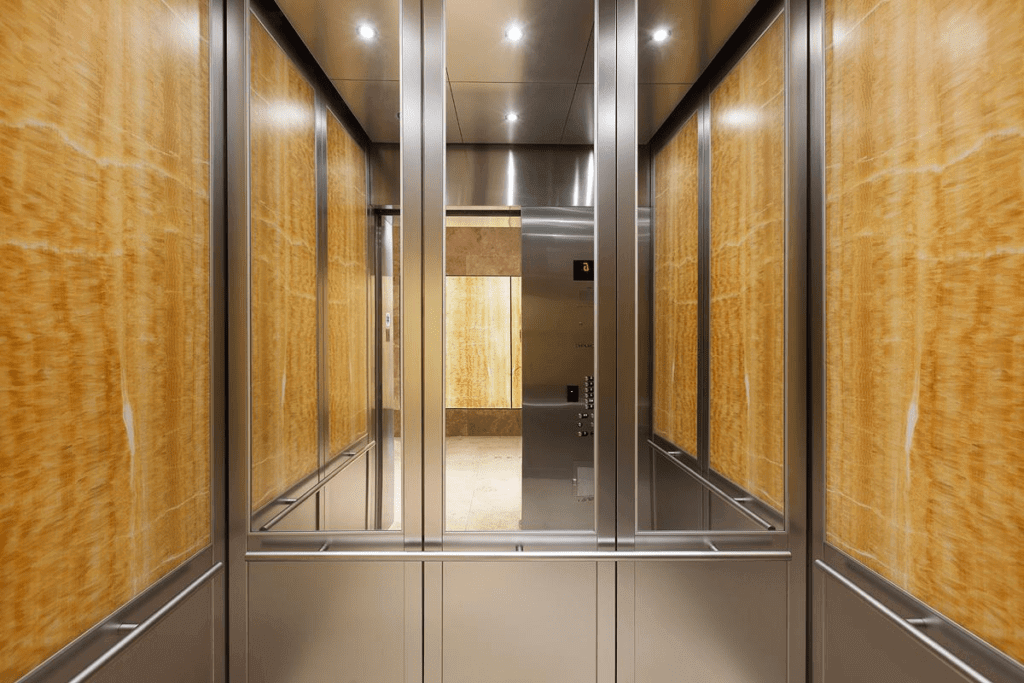
Mirror stainless steel visually expands interiors by reflecting depth and movement. In narrow corridors, elevators, retail spaces, or compact residential areas, reflective surfaces make rooms appear larger and more open. This makes mirror stainless steel especially popular in modern apartments, hotels, and commercial interiors where maximizing space perception is essential.

Applications in Interior Design

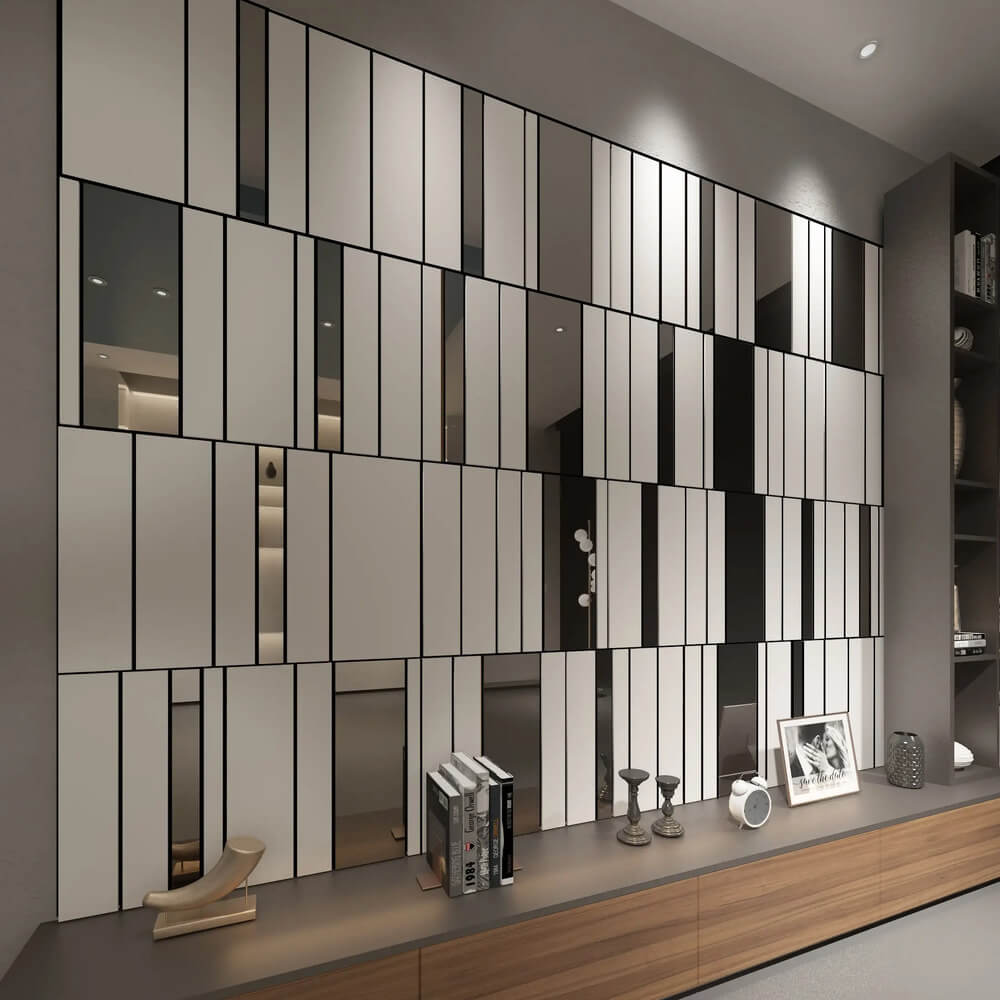
  • Wall Panels and Feature Walls– Add depth and light to living rooms, lobbies, and galleries
  • Ceilings– Enhance brightness and create a floating, open feeling
  • Elevator Interiors– Improve visibility while adding a sleek, high-end finish
  • Retail and Hospitality Spaces– Highlight products and create a luxurious atmosphere
Mirror stainless steel can also be combined with finishes such as hairline, bead blasted, or PVD-coated stainless steel to balance reflection with texture.

Practical Benefits Beyond Aesthetics

In addition to its visual impact, mirror stainless steel offers practical advantages:
  • Excellent corrosion resistance
  • Easy cleaning and maintenance
  • Long service life
  • Compatibility with modern fabrication and installation systems
These qualities make it suitable for both decorative and functional interior applications.

Conclusion

By enhancing light reflection and expanding visual space, mirror stainless steel plays a vital role in modern interior design. Its ability to combine elegance, brightness, and durability makes it an ideal solution for designers seeking to create interiors that feel open, refined, and contemporary. Whether used subtly or as a bold design feature, mirror stainless steel transforms how light and space are experienced indoors.

Please fill in your requirements to get free A quote/sample/soultion from our experts today! We usually reply in 1 Working hours with confidence.