
Understanding Stainless Steel vs. Bronze Color (And Why Dark Bronze Is Popular)
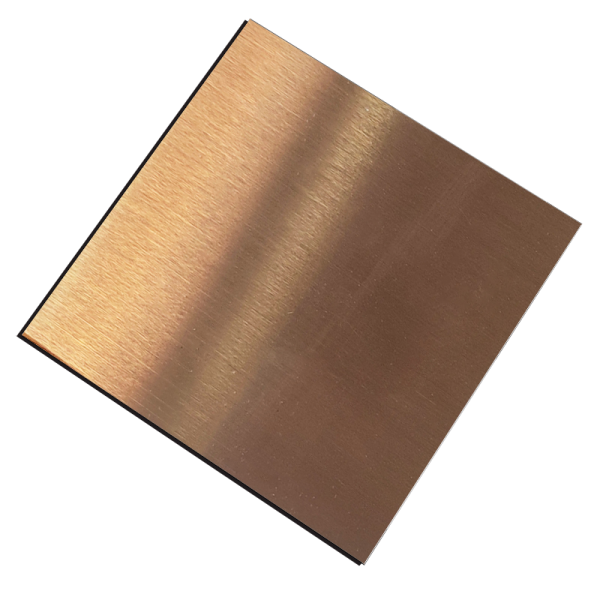
When considering finishes for metal surfaces, it’s important to understand the fundamental differences between stainless steel and bronze color. Stainless steel is known for its sleek, silvery appearance, often shiny or with a brushed or matte finish. It’s highly durable, corrosion-resistant, and easy to clean, making it a popular choice in many modern applications.
In contrast, bronze color refers to warm, brownish-black tones with hints of red or gold, often associated with aged or antique aesthetics. While pure bronze is a copper alloy, the term “bronze-colored stainless steel” typically describes a stainless steel surface treated to mimic this look.
Why is dark bronze so popular?
Dark bronze finishes evoke a sense of timelessness and warmth, blending a vintage, aged vibe with modern durability. It’s especially favored in architectural design, fixtures, and furniture because it offers a sophisticated, rich appearance that pairs well with both contemporary and traditional styles. Whether used in outdoor cladding or interior accents, dark bronze stainless steel creates a striking visual impact while maintaining the practical benefits of stainless steel.
Can stainless steel be turned into a dark bronze color? (what’s actually possible)
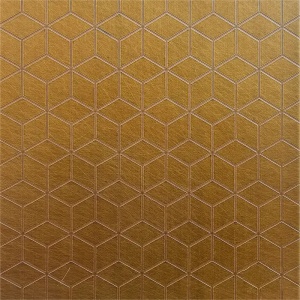
Many people ask if stainless steel can naturally turn into a dark bronze hue. The simple answer is no—stainless steel doesn’t change color on its own like some metals, such as copper or bronze, which develop a natural patina over time. Instead, achieving a dark bronze look on stainless steel involves surface treatments or coatings.
Surface finish vs. changing the metal itself
Stainless steel’s color is primarily determined by its surface finish. For example, a mirror-polished or brushed finish reflects light differently but doesn’t alter the metal’s inherent color. To get a dark bronze appearance, you don’t change the metal itself but instead apply surface treatments that mimic or create that look.
Why stainless steel won’t “become bronze” naturally—but can be made to look bronze
Unlike copper or actual bronze, stainless steel doesn’t develop a dark bronze patina through exposure to air or moisture. However, with the right surface treatment, it can be made to resemble bronze quite convincingly. This is typically done through coatings, coloring processes, or films applied on the surface.
What “bronze stainless steel” usually means
When you hear about “bronze stainless steel,” it’s often not actual bronze alloy but a surface treatment that gives the appearance of bronze. This can involve:
- Color coatings or paint systems
- Physical vapor deposition (PVD) coatings that deposit a thin, durable layer of bronze-colored material
- Chemical patinas or blackening solutions that create a darker, aged bronze look
These methods allow stainless steel to look like dark bronze without changing the base metal.
Best Ways to Make Stainless Steel Look Dark Bronze (Method-by-Method)
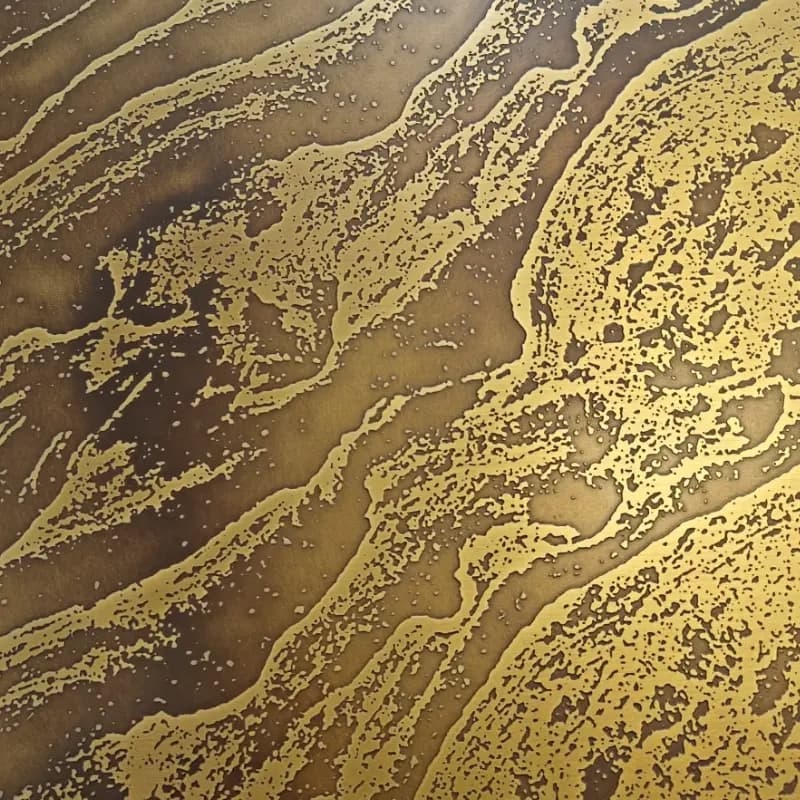
Transforming stainless steel into a dark bronze finish involves several techniques, each suited for different applications and desired durability. Here’s a quick overview of the most popular methods:
Mechanical Prep: Creating the Perfect Base Texture
Before applying any finish, proper surface preparation is key. Mechanical methods like brushing, sandblasting, or etching help build a textured surface that improves adhesion and enhances the final look. For example, sandblasting can give a matte, uniform base that works well with coatings or patinas. If you’re considering a textured or embossed appearance, stainless steel embossed sheets can be used as a starting point.
Chemical Patina / Blackening Solutions
Chemical solutions are popular for creating a dark bronze effect on stainless steel. These solutions react with the metal’s surface, producing a controlled patina that mimics aged bronze. They work best on brushed or sandblasted finishes and are ideal for applications where a more natural, aged look is desired. Keep in mind, these solutions often require proper sealing afterward to maintain the finish.
Powder Coating in Dark Bronze
Powder coating offers a durable, uniform finish that resists scratches, chemicals, and weathering—making it suitable for outdoor use. Dark bronze powder coating can provide a rich, deep tone, but it’s important to note that it may chip or peel over time if not applied correctly. Regular maintenance helps prolong its lifespan, especially in high-traffic or harsh environments.
Paint Systems for a Dark Bronze Look
Using high-quality primers and topcoats, you can paint stainless steel to achieve a dark bronze appearance. Epoxy or polyurethane paints are common choices, especially when matching existing finishes or for interior applications. Proper surface prep and adhesion primers are crucial to prevent peeling or flaking over time.
Electrochemical Coloring / Anodic Coloring
Electrochemical or anodic coloring involves applying an electrical current to create a thin oxide layer that produces a specific color—dark bronze included. This method works best on certain stainless steel grades and requires specialized equipment. When considering this option, ask suppliers about compatibility and durability, as the process can produce vibrant, long-lasting finishes.
PVD Coating for Dark Bronze Stainless Steel
Physical vapor deposition (PVD) coating is one of the most durable ways to achieve a dark bronze look on stainless steel. It provides excellent color consistency, resistance to scratches, fingerprints, and corrosion. PVD coatings come in a range of shades, from deep browns to black-bronze, and are ideal for high-end fixtures, architectural elements, and furniture. Keep in mind, PVD can be more costly but offers superior longevity.
Professional Finishing Services
While DIY methods can work for small projects, professional finishing services are recommended for large or critical applications. Experts can precisely control the coating thickness, texture, and color matching, ensuring a high-quality, durable dark bronze finish. They also handle surface prep and post-treatment, reducing the risk of peeling, fading, or uneven coloration.
Choosing the right method depends on your project’s specific needs—consider factors like exposure to weather, wear and tear, budget, and desired look. Whether you prefer a natural patina or a high-tech PVD coating, proper surface preparation and professional application can make all the difference in achieving a beautiful, lasting dark bronze stainless steel finish.
How to pick the right method for your project (so it doesn’t peel, fade, or scratch)
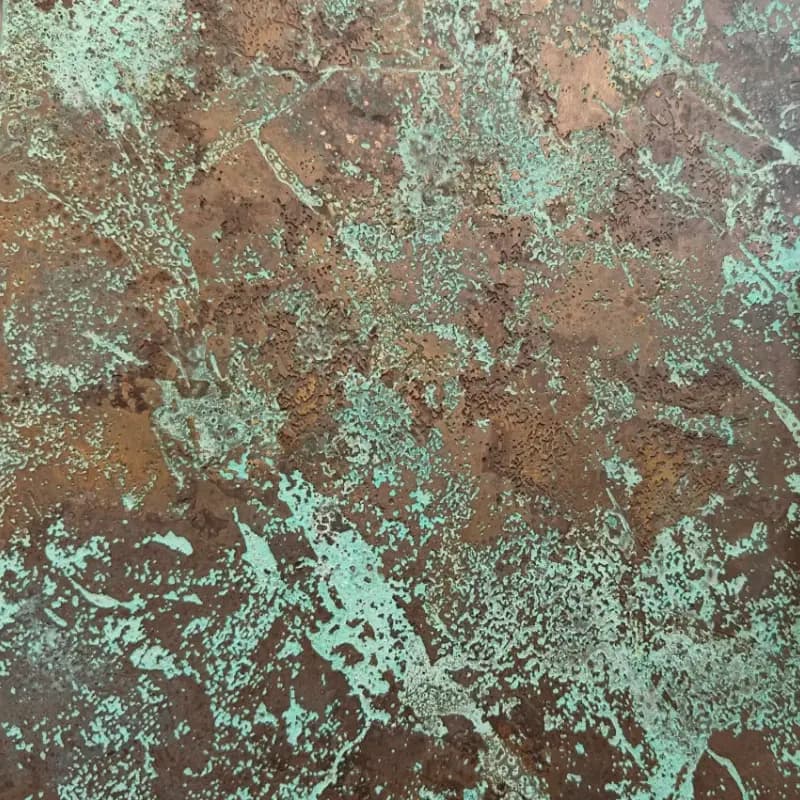
Choosing the best way to give stainless steel a dark bronze look depends heavily on your specific needs. Factors like where the piece will be used, how much wear it will get, and the environment all matter. For example, indoor fixtures and furniture might handle a different coating than outdoor architectural cladding exposed to UV rays and salt air.
Indoor vs. outdoor use
- Indoor applications: Powder coating or electrochemical coloring can work well indoors, especially if you want a consistent, durable finish. These methods are less affected by sunlight and weather.
- Outdoor applications: For outdoor use, look for coatings like PVD (physical vapor deposition) or powder coating with high UV and corrosion resistance. These finishes stand up better against rain, salt, and temperature changes. Check the durability of the coating to avoid peeling or fading over time.
High-touch parts vs. low-touch parts
- High-touch areas: Handles, railings, and hardware need coatings that resist scratches and fingerprints. PVD coatings and certain powder coats are excellent choices because they offer durability and ease of maintenance.
- Low-touch panels: Wall panels or decorative surfaces can handle less aggressive finishes, like chemical patinas or brushed effects, which may be easier and more cost-effective.
Food-safe / hygiene-sensitive environments
In kitchens, hospitals, or labs, the finish must be not only durable but also hygienic. Powder coating or PVD coatings are often preferred because they create a smooth, non-porous surface that’s easy to clean and resistant to bacteria buildup. Avoid coatings that can chip or peel, which could compromise hygiene.
Matching an existing bronze finish
Matching a specific bronze tone involves more than just color. You’ll want to consider gloss level, texture, and undertones (brown, black, red). Request color samples and compare them under different lighting conditions. For a seamless look, consider surface treatments that can replicate the existing finish’s gloss and texture, like stainless steel embossed sheets with star streaks or water ripple patterns.
Picking the right method ensures your stainless steel will keep its bronze look without peeling, fading, or scratching prematurely. It’s worth consulting with professionals for complex projects, especially when outdoor durability or precise color matching is critical.
Surface prep steps that make or break a dark bronze finish on stainless steel
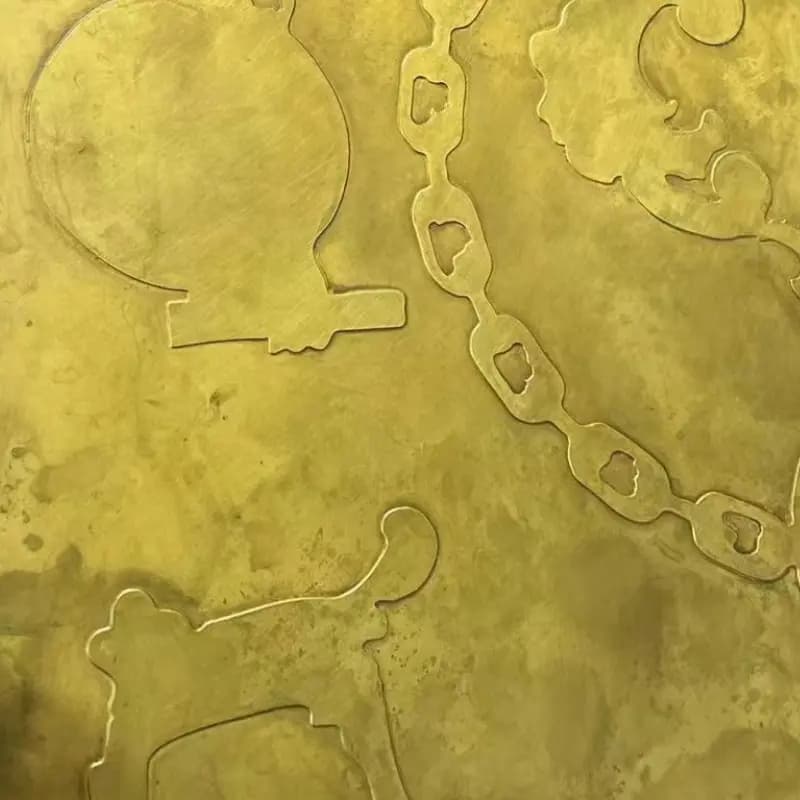
Getting a durable and even dark bronze stainless steel finish starts long before applying any coating. Proper surface preparation is key to ensuring the color adheres well and lasts over time. Here’s what you need to focus on:
Degreasing and contaminant removal
First, thoroughly clean the stainless steel surface. Oil, polish residues, fingerprints, and other contaminants can prevent coatings—like powder coating or PVD—from bonding properly. Use a degreasing solution or solvent to remove these impurities, then rinse with clean water. This step is vital for achieving a smooth, uniform dark bronze look and avoiding peeling or flaking later.
Dealing with passivation layers and adhesion challenges
Stainless steel naturally forms a passivation layer that protects against corrosion but can interfere with surface treatments. Removing or modifying this layer—often through chemical etching or abrasive cleaning—can improve adhesion of color coatings. Proper passivation removal is especially important if you plan to apply a stainless steel color coating or PVD finish, as it ensures the coating bonds securely and evenly.
Masking, edges, and weld areas
Pay special attention to edges, weld zones, and areas where masking is needed. These zones are prone to uneven coating or missed spots, which can ruin the aesthetic and durability of the dark bronze finish. Use high-quality masking tapes and techniques to protect these areas during surface treatment. Proper masking helps prevent overspray or unwanted coating buildup on critical zones.
Test panels and small-batch trials
Before committing to a full project, always run tests on small panels or sample pieces. This helps you evaluate how the surface prep affects the final dark bronze appearance and durability. Small-batch trials can reveal issues like adhesion problems or color inconsistencies, saving you from costly rework or re-coating later. For example, testing different cleaning methods or surface textures can optimize the final look of bronze-colored stainless steel fixtures or architectural cladding.
By paying close attention to these surface prep steps, you significantly improve the chances of achieving a rich, long-lasting dark bronze stainless steel finish. Proper cleaning, surface treatment, masking, and testing are all crucial to avoid issues like peeling, fading, or uneven coloration over time.
Getting a Richer “Dark Bronze” Look: Color Depth, Tone, and Texture Tips
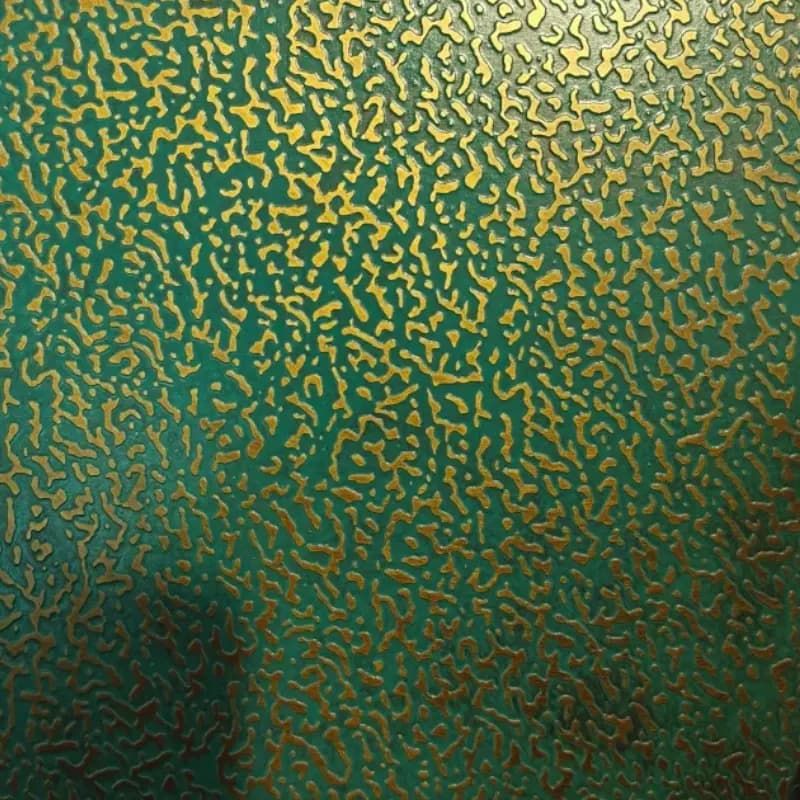
To achieve a more vibrant and authentic dark bronze stainless steel finish, focus on enhancing color depth, tone, and texture. Using multiple layers of coatings or treatments can add richness and complexity, making the final look more natural and appealing. For example, applying a subtle patina or a tinted topcoat can deepen the bronze hue and add warmth. Texture also plays a role—adding brushed or sandblasted finishes can give the surface a more aged, sophisticated vibe that mimics real bronze.
Choosing the Right Undertone: Brown-Bronze vs. Black-Bronze vs. Red-Bronze
The undertone significantly influences the final appearance of your dark bronze stainless steel.
- Brown-bronze offers a warm, classic look with subtle earthy tones—ideal for traditional or cozy designs.
- Black-bronze provides a sleek, modern feel with darker, more subdued shades—great for contemporary or industrial styles.
- Red-bronze introduces warmer, reddish hues that mimic aged or patinated bronze, perfect for vintage or rustic settings.
Selecting the right undertone depends on your design goals and how you want the material to complement other elements. For a consistent, authentic bronze look, it’s a good idea to review color samples or finish swatches.
Gloss Level Choices and How They Change Perceived Color
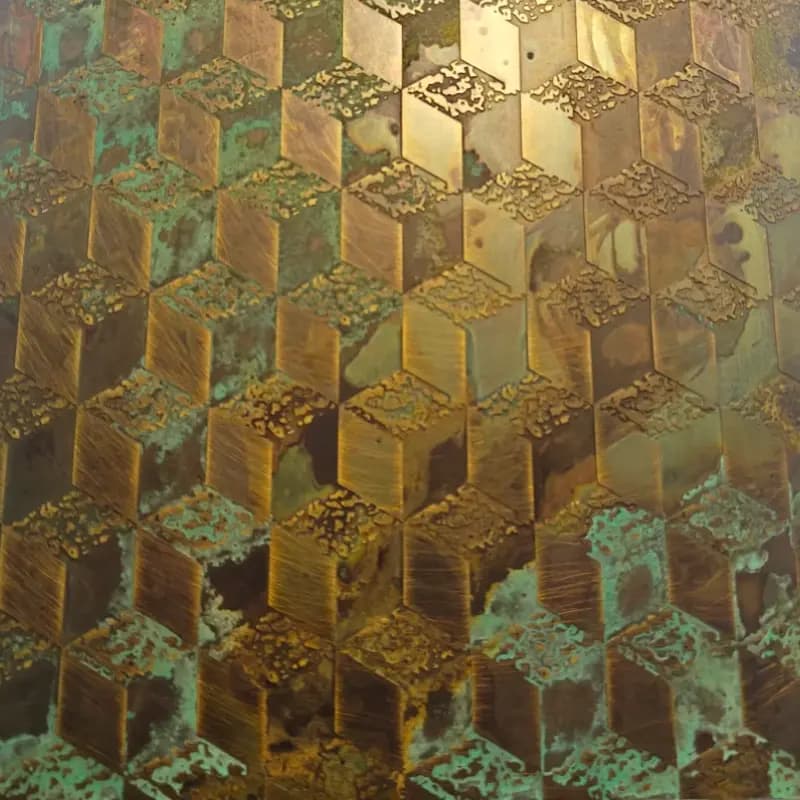
The gloss level of your dark bronze stainless steel finish affects how the color is perceived and how it interacts with light.
- Matte finishes diffuse light, giving a soft, subdued appearance that hides fingerprints and scratches well.
- Satin finishes strike a balance, offering a smooth look with some sheen, enhancing the richness of the bronze tone.
- Brushed finishes add texture and depth, often making the color appear more layered and natural.
Choosing the right gloss level depends on your environment and aesthetic preferences. For example, matte might be better for high-traffic areas, while brushed or satin can give a more refined, premium look.
Layering and Topcoats: Clear Coats and Anti-Fingerprint Options
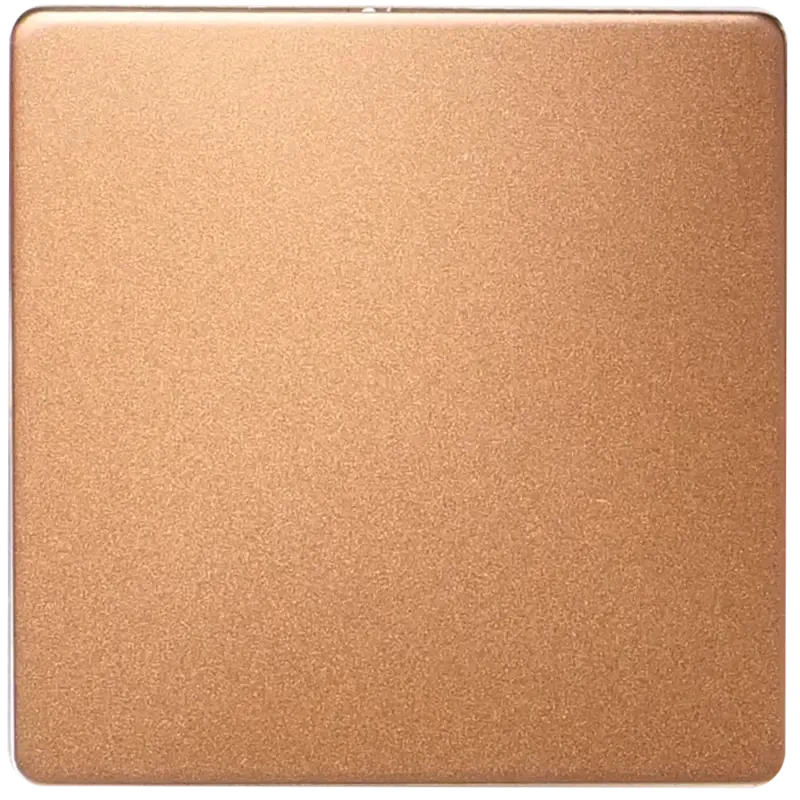
Applying layers of clear coats can protect your dark bronze finish and enhance its appearance.
- Pros of clear coats: improved durability, UV resistance, and a more uniform appearance.
- Cons: potential for yellowing or dulling over time if not chosen carefully.
- Anti-fingerprint coatings: help maintain a clean look, especially on high-touch areas like handles or railings.
Layering techniques can also add texture or gloss, but it’s important to choose high-quality, compatible topcoats to prevent peeling or fading.
How Lighting Changes the Bronze Look: Warm/Cool LEDs, Sunlight, and Environment
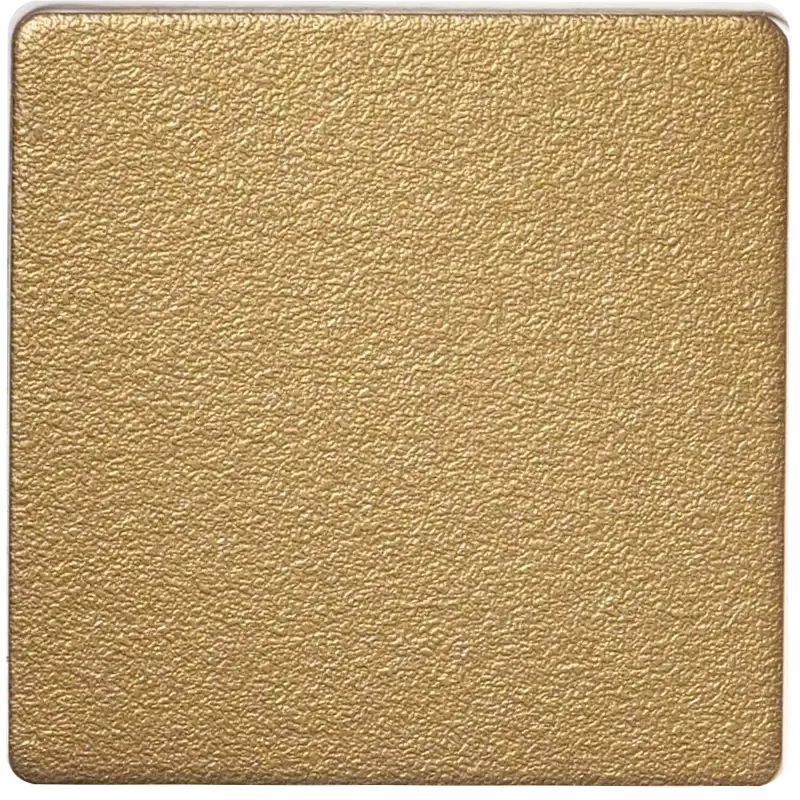
Lighting plays a big role in how your dark bronze stainless steel appears.
- Warm LED lighting enhances the brown and red undertones, making the finish look richer and more inviting.
- Cool LED lighting can mute some of the warmer hues, giving a more modern, subdued appearance.
- Sunlight naturally emphasizes the depth and texture, bringing out the full range of tones and creating a dynamic, changing look throughout the day.
- Indoor vs. outdoor lighting: outdoor environments with UV exposure and weather can alter the finish over time, so choosing durable coatings like PVD or powder coating is crucial for longevity.
Adjusting lighting conditions can help you showcase the bronze finish at its best, whether in a showroom or on-site.
Durability and Maintenance of Dark Bronze Stainless Steel
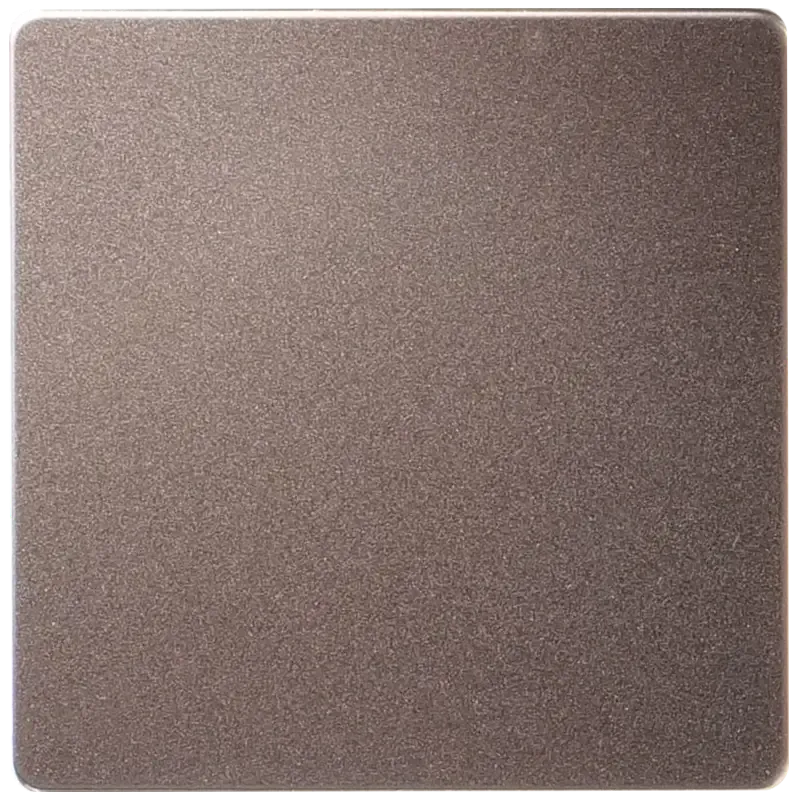
Keeping bronze-colored stainless steel looking its best requires understanding how different finishes hold up over time. PVD coatings tend to be the most durable, especially for outdoor or high-touch applications, as they resist scratches, fading, and corrosion very well. Powder coating also offers good durability, but it can chip or peel if subjected to heavy impacts or improper cleaning. Paint finishes are generally less durable, more prone to scratches, and may require frequent touch-ups.
Scratch and Abrasion Expectations by Finish Type
- PVD Coating: Highly resistant to scratches and abrasion, making it ideal for fixtures, railings, and high-traffic areas.
- Powder Coating: Offers decent scratch resistance but can chip or peel under impact or harsh cleaning.
- Paint: Least resistant; scratches and wear are common, especially in outdoor or high-use environments.
Corrosion Resistance Basics
Most bronze-colored stainless steel finishes, especially PVD and powder coatings, provide excellent corrosion resistance. They protect the underlying stainless steel from moisture, salts, and chemicals. However, coatings can sometimes degrade over time if not properly maintained or if exposed to extreme conditions like saltwater or acidic cleaners. Regular cleaning and inspections are key to maintaining their protective qualities.
Cleaning Do’s and Don’ts
- Do: Use mild soap and water, soft cloths, or non-abrasive sponges. Rinse thoroughly to remove dirt and chemicals.
- Don’t: Use harsh chemicals, steel wool, or abrasive pads, as these can scratch or dull the bronze finish. Avoid bleach, ammonia, or acidic cleaners that can degrade coatings or paint.
Touch-Ups and Repairability
- Easy fixes: Minor scratches on powder-coated or painted finishes can often be touched up with matching spray paint or touch-up pens.
- More complex repairs: Deep scratches or damaged PVD coatings usually require professional re-coating or refinishing. Re-coating with a new layer of bronze finish is generally the best way to restore appearance and protection.
Final Tip
Regular maintenance, gentle cleaning, and prompt repairs will extend the life of your bronze-colored stainless steel fixtures or furniture. For outdoor projects, consider finishes with proven weather resistance, like PVD coatings, to keep that rich dark bronze look intact over time. If you’re interested in exploring durable surface treatments, decorative stainless steel sheets can be finished with various coatings to suit your needs.
Cost, Lead Time, and Real-World Tradeoffs
When choosing a dark bronze stainless steel finish, it’s important to balance budget, timing, and durability.
Budget Range by Method
- Low-cost options like spray paints or basic coatings are budget-friendly upfront but may not last long, especially in outdoor or high-touch settings.
- Mid-range solutions such as powder coating or chemical patinas offer good durability and appearance without breaking the bank.
- High-end finishes, like PVD coatings or electrochemical coloring, come with a higher price tag but provide superior wear resistance, color stability, and longevity.
Lead Time and Minimum Orders
- DIY methods, like applying paint or simple patinas, can be quick and suitable for small projects.
- Professional services, especially for custom PVD or electrochemical finishes, typically require longer lead times due to batching and equipment setup.
- Custom colors or large batch orders often have minimum quantities, so planning ahead is key to avoid delays.
Warranty and Durability
- Ask suppliers about UV stability, adhesion, salt spray resistance, and abrasion protection—especially if your stainless steel will be used outdoors or in harsh environments.
- Remember, the cheapest option may seem attractive initially but can become costly if it wears out quickly, requiring re-coating or replacement.
Choosing the right method depends on your project needs, environment, and budget. For example, a high-traffic outdoor railing might benefit from a durable PVD dark bronze coating, while a decorative indoor panel could be fine with a powder coat or chemical patina. Always weigh initial costs against long-term maintenance and durability to make the best decision.
Real Examples of Bronze-Colored Stainless Steel Applications (Where It Works Best)
Bronze-colored stainless steel is popular in many design projects because it offers a warm, sophisticated look while maintaining the durability of stainless steel. Here are some of the best applications:
Architectural Cladding and Trim

Using stainless steel with a dark bronze finish for building exteriors provides a consistent color that ages well over time. It’s weather-resistant, making it ideal for façades, trims, and decorative panels. This application combines aesthetic appeal with long-term performance, especially in outdoor environments. For more options, check out stainless steel color plates.
Railings, Doors, and Hardware

High-touch areas like railings, door handles, and hardware benefit from a bronze stainless steel finish because it’s durable and hides fingerprints better than shiny metals. The warm tone adds a modern yet timeless feel to commercial and residential spaces, while the finish withstands frequent use and cleaning.
Kitchen and Bathroom Fixtures & Décor
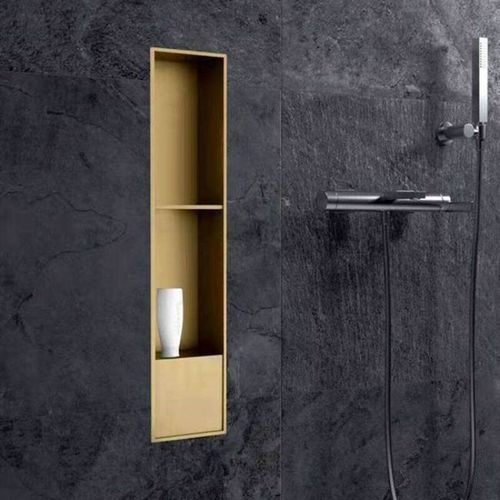
In kitchens and bathrooms, a dark bronze stainless steel finish offers a sleek, hygienic look that’s easy to clean. It resists water spots and fingerprints, keeping fixtures looking fresh longer. This makes it a popular choice for sinks, faucets, and cabinet hardware, blending style with practicality.
Furniture and Retail Displays

Bronze-colored stainless steel is also used in furniture and retail displays. Its scratch resistance and ability to play with lighting effects make it perfect for creating standout pieces. The warm hue adds richness to retail environments, while the durable finish handles high traffic and frequent cleaning.
Overall, bronze-colored stainless steel combines style, durability, and weather resistance, making it a versatile choice across various applications. Whether for outdoor cladding or interior fixtures, it offers a sophisticated look with long-lasting performance.
FAQs About Turning Stainless Steel Into a Dark Bronze Color
1. Can stainless steel be naturally darkened permanently?
Stainless steel doesn’t naturally turn into a dark bronze color permanently. While it can develop a natural patina over time, this process is slow and unpredictable. To achieve a consistent dark bronze look, most people rely on surface treatments like coatings or coloring methods. Natural darkening isn’t a reliable solution for projects needing a specific color or finish.
2. What’s the most durable dark bronze finish for outdoor stainless steel?
For outdoor use, the most durable dark bronze finish is typically achieved with PVD coating (Physical Vapor Deposition). PVD offers excellent resistance to UV rays, salt spray, and weathering, making it ideal for exterior applications. Powder coating in dark bronze is also popular, but it may not last as long as PVD, especially in harsh environments. Both options are worth considering, depending on your durability needs.
3. Is powder coating stainless steel in dark bronze a good idea?
Powder coating in dark bronze can be a good choice for many applications, especially indoor or moderate outdoor environments. It provides a solid, even finish that resists scratches and corrosion. However, for outdoor or high-traffic areas, the durability might be less than PVD coatings. Proper surface prep and quality application are key to avoiding peeling or chipping over time.
4. Does PVD dark bronze scratch or fade?
PVD coatings are highly durable and resistant to scratches, fading, and corrosion. They maintain their color and finish much longer than other surface treatments. While no coating is completely scratch-proof, PVD is among the best options for high-touch areas like fixtures or hardware that need to stay looking good over years.
5. Can I remove the bronze finish later and go back to stainless?
Removing a bronze finish depends on the coating method used. For example, powder coating or paint can often be stripped with chemical or mechanical methods, allowing you to restore the stainless steel’s original look. However, coatings like PVD are much harder to remove without damaging the underlying metal. If you think you might want to revert to a natural stainless steel finish later, it’s best to discuss options with a professional finishers or coating specialists.