
Are you looking to transform raw metal into a high-end design statement? Choosing the right method to color stainless steel is the key to balancing luxury aesthetics with industrial-grade durability.
In the world of architectural millwork, the finish is everything. Whether you are specifying PVD Coating for a high-traffic lobby or seeking a custom Antique Bronze Finish for bespoke joinery, you need a solution that doesn’t just look good, but lasts.
This guide breaks down the science of 304/316 grade stainless steel and the advanced vacuum coating technology used to create permanent, vibrant surfaces. From nano-antifingerprint coatings to the precision of electrochemical coloring, I’m sharing the professional insights you need to ensure your project stands out.
Let’s dive in.
Understanding the Science: How to Color Stainless Steel
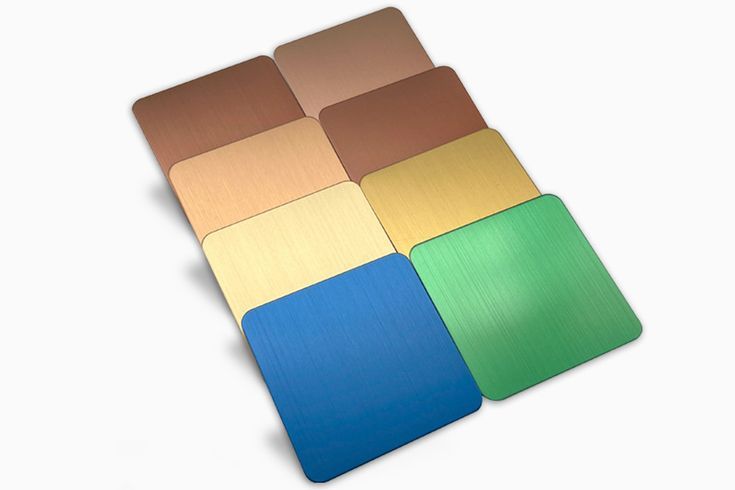
When you look at a vibrant piece of architectural metal, you aren’t seeing paint or dye. To understand how to color stainless steel, you have to look at the chemistry of the metal itself. At Xinye Steel, we utilize the natural properties of the material to create deep, permanent hues that won’t chip or peel.
The Role of the Chromium Oxide Passive Film
Every sheet of high-quality stainless steel is protected by a microscopic chromium oxide layer, often called the “passive film.” This layer is what makes the metal “stainless” by preventing rust. When we color the steel, we aren’t covering this film; we are growing it. By using specialized electrochemical or vacuum processes, we increase the thickness of this transparent layer to create a spectrum of colors.
Light Interference: Color Without Pigments
The “color” you see is actually a phenomenon called light interference. As the chromium oxide film thickens, it reflects light waves differently.
- Refraction: Light passes through the clear film, hits the metal surface, and bounces back.
- Perception: Depending on the exact thickness of that film, certain wavelengths of light are canceled out while others are intensified.
- Durability: Because the color is part of the surface structure rather than a topcoat, it is exceptionally resistant to UV fading and weathering.
Why 304 and 316 Grades are the Gold Standard
To achieve a consistent, high-end finish, the base material must be superior. We focus on two specific grades for all our coloring projects:
- 304 Grade Stainless Steel: The industry standard for interior decorative panels, cabinetry, and furniture. It offers excellent workability and takes color uniformly.
- 316 Grade Stainless Steel: The go-to for marine environments or outdoor architectural cladding. Its higher molybdenum content ensures the colored surface remains pristine even in salty or polluted air.
Choosing these grades ensures that the chemical oxidation or PVD coating reacts predictably, resulting in a flawless batch-to-batch color match for large-scale projects.
Primary Industrial Coloring Methods
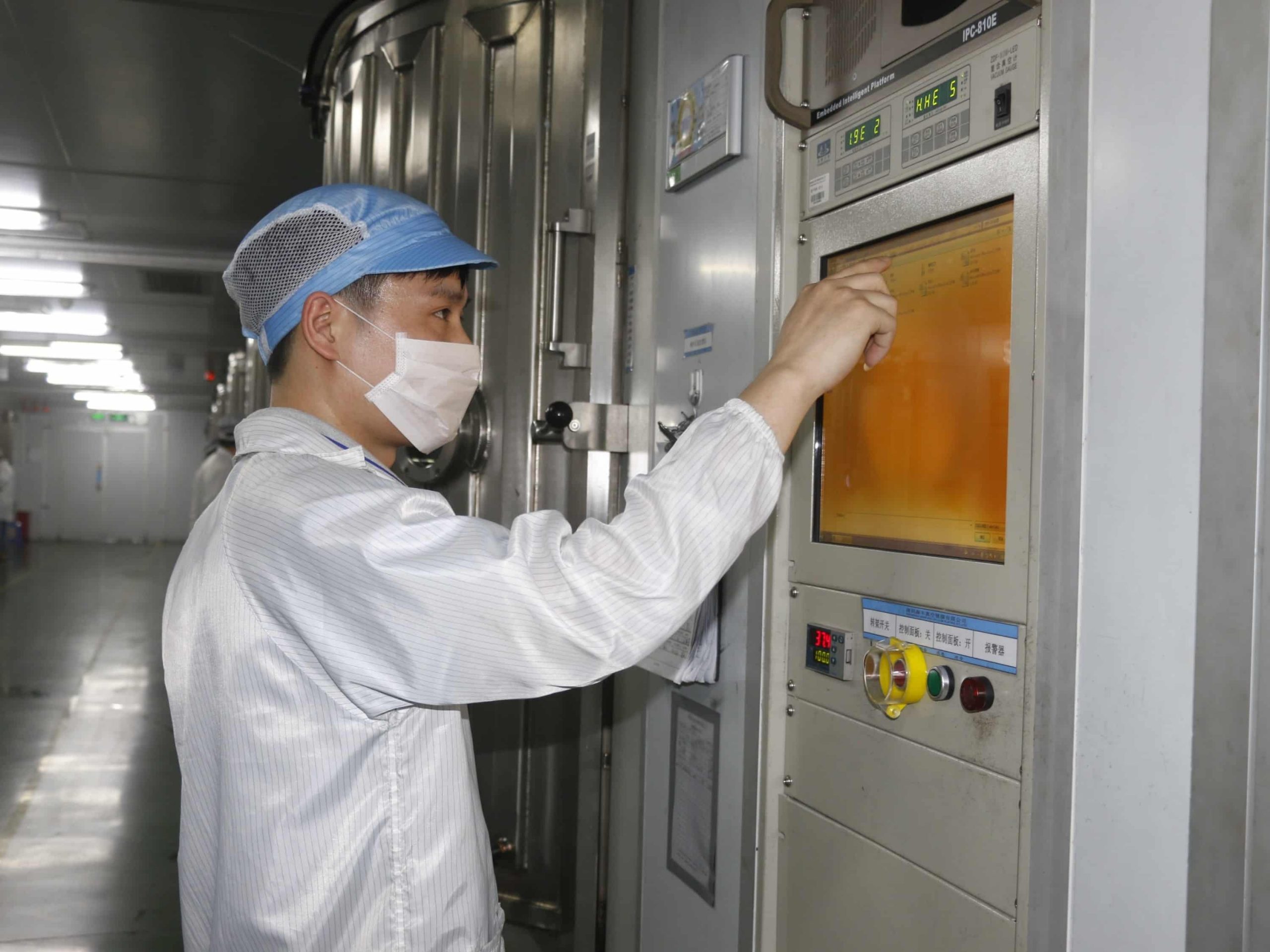
When looking at how to color stainless steel for large-scale architectural or commercial projects, we rely on proven industrial techniques. These methods ensure exceptional durability, exact color matching, and a flawless final product.
PVD Coating (Physical Vapor Deposition)
Vacuum Coating Technology is the modern industry standard for high-end decorative metals. Inside advanced vacuum chambers, we use Titanium Ion Plating to bond metal vapor directly to the stainless steel surface.
- Popular Colors: Titanium Gold, Rose Gold, and Deep Black.
- The Benefits: PVD creates an incredibly tough, scratch-resistant layer that will not peel, crack, or fade over time. For instance, our premium gold stainless steel sheets rely on this exact process to achieve their vibrant, long-lasting brilliance in high-traffic environments.
Chemical & Electrochemical Coloring
When a project demands highly consistent tones across massive production batches, Electrochemical Coloring is our go-to method.
- The Process: We submerge the steel into carefully controlled acid baths. This triggers Chemical Oxidation, which artificially thickens the transparent “interference film” on the metal’s surface.
- The Result: Because no actual dyes or pigments are used, the perceived color is generated purely by how light refracts through this layer. It guarantees uniform color matching for large architectural rollouts without compromising the metal’s natural metallic sheen.
Demarea Aging & Chemical Distressing
Sometimes a space calls for a weathered, vintage aesthetic rather than a pristine, modern shine. This is where chemical distressing comes in.
- The Art of the Antique: By selectively applying specific chemical treatments, we accelerate the aging process to mimic a natural, time-worn metal patina.
- Classic Finishes: We expertly recreate the look of an Antique Bronze Finish, Aged Brass, or Imitation Copper. These targeted distressing techniques allow us to craft bespoke stainless steel color plates that add rich, historical depth to contemporary interior designs and custom joinery.
Advanced Surface Textures and Their Impact on Color
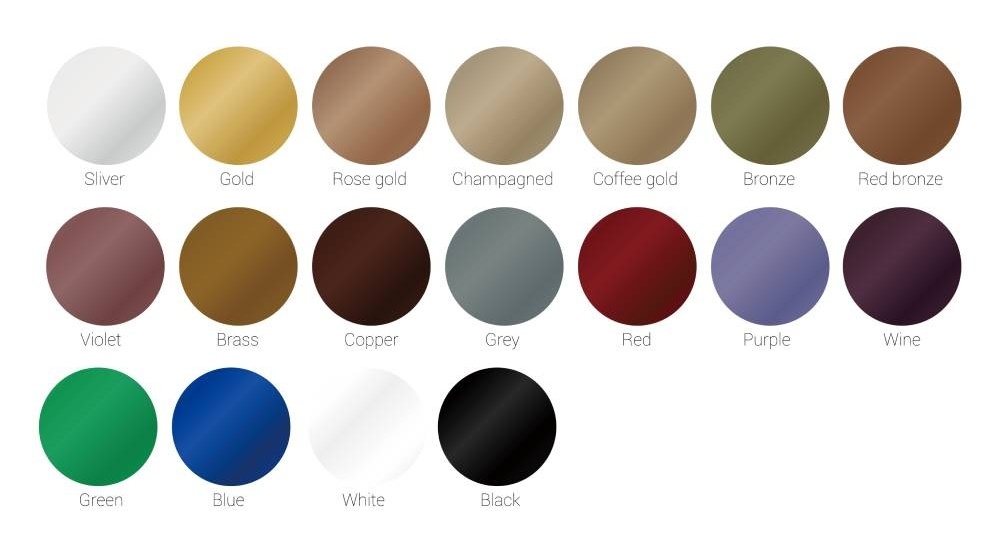
The secret to mastering how to color stainless steel lies in the base surface texture. Before the coloring process begins, we treat the raw metal to manipulate how it reflects light. A color that looks bold on a mirror finish will appear completely different on a brushed surface because the texture dictates the light’s path.
- Mirror Polish: This high-reflectivity finish creates the most vibrant and saturated colors. When we apply titanium ion plating to a mirror surface, the result is a deep, liquid-like glow often used in luxury retail and high-end art installations.
- Hairline and Brushed: For a more muted and sophisticated aesthetic, we recommend a brushed stainless steel plate premium finish to achieve soft, matte tones. These fine, directional lines break up light reflections, making them perfect for architectural millwork and high-traffic elevator interiors.
- Embossed and Etched: To add a tactile, 3D dimension to your project, stainless steel embossed sheets are the ideal choice. The raised patterns create unique highlights and shadows, giving the colored surface a dynamic appearance that changes as the viewing angle shifts.
By selecting the right surface texture, we ensure the final decorative stainless steel sheets meet the specific visual and functional requirements of your design. Whether you need the high-energy reflection of a polished finish or the understated elegance of a matte texture, the base preparation is the most critical step in the coloring process.
The Crucial Final Step: Nano-Protective Coatings
Once you understand how to color stainless steel, the most important finishing touch is the application of a Nano-Antifingerprint (AFP) coating. This transparent, ultra-thin layer is the secret to keeping decorative surfaces looking pristine in real-world conditions.
What is Nano-Antifingerprint (AFP) Coating?
Nano-Antifingerprint coating is a specialized liquid treatment applied to the surface of colored steel. It creates a hydrophobic and oleophobic barrier that repels water and oils. This layer is cured to ensure it bonds perfectly with the underlying color, whether it was achieved through PVD or chemical oxidation. For high-end projects using a brushed stainless steel plate premium finish, this coating is the standard for maintaining a high-quality appearance.
Why It Is Essential for High-Traffic Areas
In busy environments like hotel lobbies, elevators, and luxury cabinetry, stainless steel is subject to constant physical contact. Without a protective layer, the natural oils from skin can leave dark smudges that are difficult to remove. AFP coating is essential because:
- Smudge Resistance: It makes fingerprints nearly invisible and prevents them from sticking to the metal.
- Ease of Cleaning: Surfaces require significantly less maintenance; a simple dry wipe usually restores the original shine.
- Surface Consistency: It ensures that the stainless steel color plate maintains a uniform look even after years of heavy use.
Protecting the Color from Oxidation and Smudges
The primary threat to colored stainless steel is not just dirt, but oxidation. The Nano-AFP layer acts as a secondary shield for the chromium oxide film, preventing environmental pollutants from reaching the metal. This is particularly vital for 304 and 316-grade materials used in architectural millwork. By sealing the surface, we guarantee that the vibrant tones achieved during the coloring process remain vivid and do not fade or develop an uneven patina over time. When considering how to color stainless steel for commercial applications, the protective coating is never optional—it is a requirement for durability.
DIY vs. Professional Fabrication: Choosing the Right Path
When deciding how to color stainless steel, the choice between a home setup and industrial production depends entirely on your project’s scale and required durability. While DIY methods offer a creative outlet for hobbyists, professional fabrication is the standard for architectural and commercial applications.
DIY Methods: Heat Tinting and Cold Patinas
DIY enthusiasts often turn to heat tinting or cold patina chemicals to alter the appearance of metal.
- Heat Tinting: Using a blowtorch to apply direct heat creates a spectrum of colors (straw, blue, purple) through rapid oxidation. While visually striking, it is nearly impossible to achieve a uniform tone over a large surface.
- Cold Patinas: These involve applying topical acids or darkening solutions to the metal. They are excellent for “one-off” art pieces but often lack the UV resistance and hardness required for high-traffic areas.
Professional Fabrication at Xinye Steel
For businesses and designers, professional fabrication ensures that colored stainless steel meets strict industrial standards. At Xinye Steel, we focus on precision and scalability that DIY methods simply cannot match.
Our process integrates advanced vacuum chambers and chemical baths to ensure every sheet in a batch matches perfectly. A major advantage of our professional service is the ability to create “invisible” weld joints. By coloring the material after the primary fabrication or using specialized color-matching techniques, we ensure that bespoke joinery looks like a single, seamless piece of art. To achieve the best base for coloring, we often recommend understanding how to electropolish stainless steel to ensure the surface is perfectly decontaminated and smooth.
Comparison Table: DIY vs. Professional Fabrication
| Feature | DIY Methods (Heat/Chemical) | Professional Fabrication (Xinye Steel) |
|---|---|---|
| Durability | Low; prone to fading or scratching | High; PVD and chemical bonds are permanent |
| Color Uniformity | Random and inconsistent | 100% batch-to-batch consistency |
| Scalability | Limited to small, handheld items | Capable of large-scale architectural cladding |
| Weld Quality | Visible seams and heat discoloration | Seamless “invisible” joints and uniform finish |
| Best Use Case | Small crafts, jewelry, art projects | Elevators, luxury retail, hotel lobbies |
Choosing professional fabrication eliminates the guesswork and provides a surface that stands up to the rigors of daily use while maintaining its aesthetic integrity.
Specifying Colored Stainless Steel for Architectural Projects
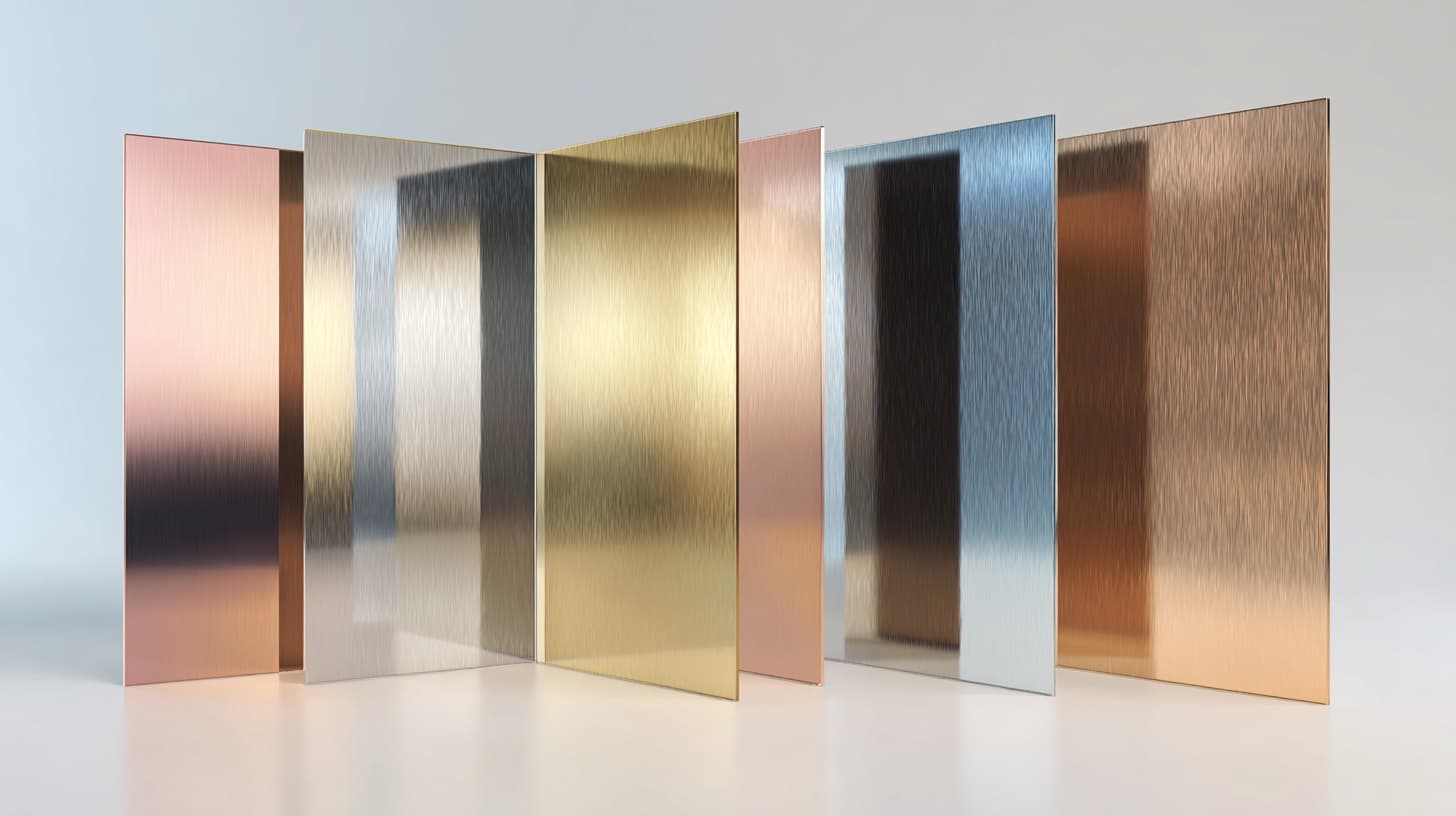
When planning high-end architectural millwork, understanding how to color stainless steel is only the first step. For professional B2B buyers and architects, the focus shifts to precision, consistency, and integration. We ensure that every panel, whether it is a brushed stainless steel plate or a mirror-finish sheet, aligns perfectly with your design intent.
Custom Color Matching and Mood Boards
To achieve a cohesive look, we recommend matching colors against physical swatches rather than digital screens.
- Physical Swatches: We provide actual metal samples to ensure the Titanium Ion Plating reacts correctly with your project’s lighting.
- Mood Board Integration: Our team analyzes your palette to suggest the best 304/316 grade stainless steel finishes that complement stone, wood, or glass.
- Consistency: We use controlled chemical and PVD processes to maintain batch-to-batch color uniformity across large-scale installations.
Technical Specifications for B2B Buyers
Efficiency in the supply chain is critical for commercial projects. We streamline the transition from design to delivery by integrating directly with your technical workflow.
| Feature | Specification |
|---|---|
| Lead Times | Standard production 15–25 days |
| Design Integration | Full CAD/DWG file support for precision cutting |
| Material Grades | 304 for interiors; 316 for coastal/exterior use |
| Customization | Bespoke sizing and V-cutting for sharp corners |
Maintenance for Long-Term Color Retention
While our decorative stainless steel sheets are built to last, proper care ensures the finish remains vibrant for decades.
- Avoid Harsh Chemicals: Never use chloride-based cleaners or abrasive pads that can scratch the PVD layer.
- Routine Cleaning: Use warm water and a soft microfiber cloth. For high-traffic areas, a sandblasted stainless steel plate with a matte finish is often easier to maintain as it hides minor smudges.
- Nano-Protection: We recommend applying a Nano-Antifingerprint (AFP) coating during fabrication to reduce maintenance frequency in public spaces like elevators and lobbies.
Common Questions About How to Color Stainless Steel
We understand that choosing the right finish involves more than just aesthetics. Here are the most common technical concerns we address for our global clients regarding the coloring process and long-term performance.
1. Does coloring stainless steel make it rust?
No. When you use professional methods like PVD coating or electrochemical coloring, you are actually strengthening the material’s natural defenses. These processes enhance the chromium oxide “passive film” that prevents oxidation. By choosing high-quality colored stainless steel sheets, you maintain the high corrosion resistance inherent in 304 and 316 grades while adding a decorative layer.
2. Can the color scratch off?
The durability depends entirely on the method used:
- PVD Coating: This is a molecular bond. The color is extremely hard and integrated into the surface, making it highly resistant to flaking or peeling.
- Chemical Coloring: Since the color is part of the steel’s surface layer (interference film), it won’t chip like paint.
- Note: While these finishes are tough, heavy impact or deep gouges that penetrate the surface layer will reveal the natural silver steel underneath.
3. What is the most durable color for outdoor use?
For exterior architectural projects, we recommend Titanium Gold, Bronze, or Black applied via PVD technology on 316-grade steel. These finishes offer the best UV resistance and withstand harsh weather conditions without fading. For a more textured, matte look that hides wear, a brushed stainless steel plate with a PVD coating is an industry standard for durability.
4. How do you clean colored stainless steel surfaces?
Maintaining the vibrancy of colored steel is straightforward if you follow these rules:
- Use: Soft microfibre cloths, warm water, and mild pH-neutral detergents.
- Avoid: Abrasive pads, bleach, or chloride-based cleaners, as these can degrade the protective film.
- Protection: We highly recommend specifying a Nano-Antifingerprint (AFP) coating. This invisible layer prevents oil smudges and makes routine cleaning significantly faster, especially in high-traffic commercial areas.