

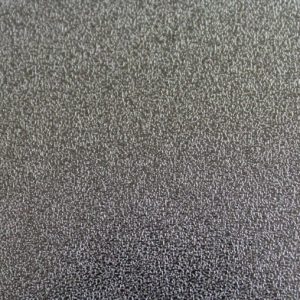
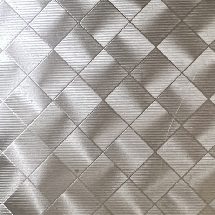
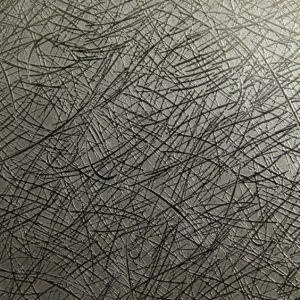
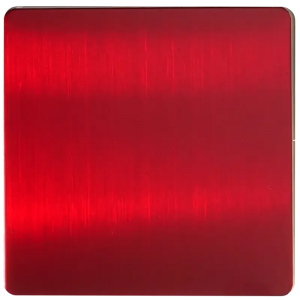

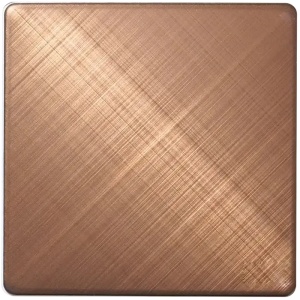

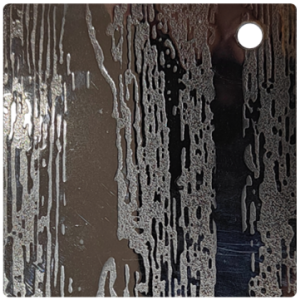
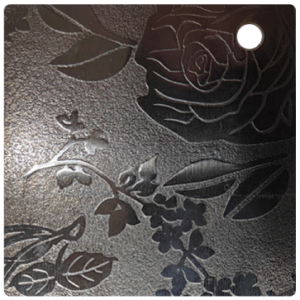
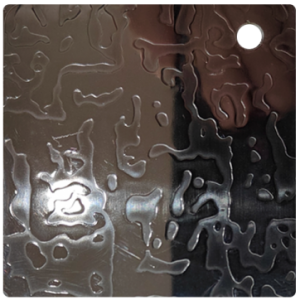
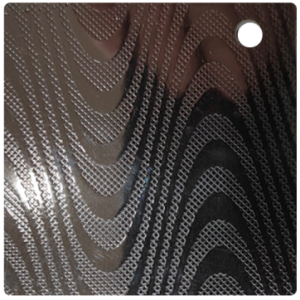

These finishes provide a smooth, low-glare surface with a subtle sheen. Hairline and satin finishes are favored for their modern, minimalist look and ability to hide fingerprints and smudges. They are often used in interior wall panels, furniture, and decorative accents.
Architectural Pattern Styles
Architectural stainless steel finishes come in various styles, including geometric, organic, woven, ripple, and diamond patterns. These styles are chosen based on the aesthetic goal—whether for a statement facade or a subtle textured interior feature. They can be customized to match specific design themes, blending form and function seamlessly.
Custom Patterned Stainless Steel
For unique branding or one-off designs, custom patterned stainless steel allows for bespoke repeats, logos, or artwork. This flexibility makes it a popular choice for projects needing a distinctive look, such as retail displays or architectural accents. Customization ensures the pattern aligns perfectly with your project’s branding and aesthetic goals.
Each of these patterned stainless steel finishes offers different advantages, whether for aesthetics, durability, or customization. Choosing the right type depends on your project’s specific needs and environment.
Manufacturing Techniques for Patterned Stainless Steel
Creating patterned stainless steel involves several precise manufacturing methods, each suited for different finishes and design complexity.
Mechanical embossing or plate stamping is a popular technique where a pattern is pressed into the stainless steel sheet using a custom die. This method is ideal for producing textured surfaces like embossed stainless steel finishes with deep, consistent patterns. It’s often used for decorative panels and architectural cladding, providing durability and a tactile feel. You can learn more about this process in embossed stainless steel sheets.
Acid etching combined with chemical treatments allows for detailed, intricate designs on stainless steel surfaces. This process controls the depth and contrast of the pattern, making it perfect for etched stainless steel designs used in signage or decorative wall panels. It’s a versatile method that can produce both subtle and bold patterns.
Laser engraving or marking offers high precision, especially for small-batch or custom projects. Laser-engraved stainless steel sheets can feature fine details like logos or complex graphics, making them suitable for branding or statement pieces. This technique is efficient for repeatable designs and detailed artwork.
Sandblasting with patterned masks creates a matte texture with high contrast effects. It’s often used to produce textured stainless steel surfaces with a uniform appearance, ideal for decorative screens or privacy partitions. The process involves masking areas before sandblasting to achieve specific patterns or textures.
Combination methods are also common, where multiple techniques are used in sequence—such as embossing followed by etching, or brushing combined with laser marking. These multi-step finishes allow for more complex and customized patterned stainless steel surfaces, enhancing both aesthetics and functionality.
Throughout the manufacturing process, quality checkpoints ensure pattern uniformity, consistent depth, and clean edges. Durability is a key factor—well-made patterns should withstand abrasion, cleaning, and environmental exposure without losing their visual appeal or structural integrity. Proper manufacturing techniques help maintain the long-term performance of patterned stainless steel, making it suitable for demanding applications like facades, interior panels, and industrial uses.
Applications of Patterned Stainless Steel
Patterned stainless steel is highly versatile and widely used across various industries. Its durability combined with attractive finishes makes it ideal for both functional and decorative purposes.
One common application is architectural stainless steel cladding, where patterned stainless steel sheets are used for facades, soffits, columns, and wraps. These surfaces not only enhance building aesthetics but also provide weather resistance and long-term performance. For example, textured stainless steel surfaces like embossed or laser-engraved finishes are perfect for creating striking exteriors that stand out. You can explore some of the popular embossed stainless steel options here.
Inside buildings, patterned stainless steel is often used for interior wall panels and backsplashes, especially in kitchens, lobbies, or retail feature walls. The patterns help hide fingerprints and smudges while adding a modern touch to the space.
In high-traffic areas like elevators, stainless steel panels, doors, and handrails benefit from patterned finishes that resist scratches and maintain their look over time. These surfaces are also easier to clean and keep looking new.
Decorative screens and partitions made from stainless steel with custom or geometric patterns are popular for creating privacy without blocking light, making spaces feel open yet defined.
For furniture and fixtures, patterned stainless steel is used in counters, cabinet fronts, shelving, and trims. Its textured surface adds visual interest and durability, especially in busy environments.
Lastly, stainless steel with unique patterns is often chosen for signage and branding elements. Logos, wayfinding signs, and statement pieces can be crafted with precision, giving brands a sleek, modern look that lasts.
Overall, patterned stainless steel offers a perfect blend of form and function, making it a top choice for architects, interior designers, and fabricators worldwide.
Benefits of Patterned Stainless Steel
Patterned stainless steel offers a range of advantages that make it a popular choice for many projects. Its aesthetic flexibility allows it to suit various styles—from modern and industrial to luxurious and minimalist. You can choose different patterns to match your design goals, whether you want a sleek, reflective surface or a textured, matte finish.
One big plus is the textured surface, which helps hide fingerprints and smudges. This makes it ideal for high-touch areas like public spaces, elevators, and retail fixtures. Patterns like embossed or brushed finishes can mask scratches and scuffs, keeping surfaces looking clean longer.
Choosing the right grade of stainless steel is key for corrosion resistance, especially in harsh environments like coastal areas or outdoor facades. Patterned stainless steel is generally easier to clean and maintain compared to painted or coated materials, offering better long-term value. It resists chipping, peeling, and fading, meaning fewer refinishes and a stronger visual impact over time.
| Benefit | Explanation |
|---|---|
| Aesthetic flexibility | Fits various styles, from modern to luxury |
| Fingerprint/scuff masking | Keeps surfaces cleaner longer |
| Scratch/scuff hiding | Suitable for busy, public spaces |
| Corrosion resistance | Depends on grade selection for environment |
| Easy maintenance | Less cleaning effort, longer lifespan |
| Long-term value | Durable, fewer refinishes, better look |
Overall, patterned stainless steel combines style and durability, making it a smart choice for both functional and decorative applications.
Designing With Patterned Stainless Steel
Choosing the right patterned stainless steel for your project depends on your specific goals, whether it’s privacy, reflection, branding, or texture. For example, embossed stainless steel can add depth and tactile interest, while laser-engraved stainless steel sheets are ideal for detailed logos or branding elements. Consider how the pattern will enhance the overall look and function of your space.
Matching patterned stainless steel with other materials is key for a cohesive design. It pairs well with wood, stone, glass, or concrete, creating a balanced aesthetic. For instance, combining textured stainless steel surfaces with natural wood accents can bring warmth to modern interiors, while sleek patterned finishes complement industrial styles.
Lighting plays a big role in how patterned stainless steel appears. Glare control is important, especially for reflective finishes like satin or mirror. Directional brushing can help create shadows and highlight textures, adding depth to the surface. Proper lighting can make the patterns stand out and influence the overall ambiance.
Color options and surface treatments expand design possibilities. PVD tones allow for a range of finishes, from gold to black, while anti-fingerprint coatings help maintain a clean look in high-touch areas. Satin finishes give a modern, low-glare appearance, whereas mirror finishes offer a sleek, reflective surface. These choices help tailor the stainless steel to your project’s aesthetic and functional needs.
The custom pattern workflow typically involves several steps: starting with a concept, creating a sample, obtaining approval, and then moving to full production. Clear communication during each phase ensures the finished product matches your vision.
Finally, specific technical details can influence the final result. Sheet thickness affects durability, while pattern direction impacts visual flow. Panel size and seams also matter—larger panels with fewer seams look cleaner, but may require more precise handling. Paying attention to these specifications ensures your patterned stainless steel not only looks great but performs well over time. For more on high-quality finishes, check out premium brushed stainless steel options.
Maintenance and Durability of Patterned Stainless Steel
Keeping patterned stainless steel looking good and lasting long isn’t complicated, but it does need some care. The key is to use safe cleaning products and tools that won’t damage the finish. For regular cleaning, soft cloths and mild detergents work well, and if you want to preserve the embossed or etched textures, avoid abrasive scrubbers that can scratch the surface.
In high-touch areas like elevator panels or decorative stainless steel screens, I recommend wiping down frequently with non-abrasive cleaners to prevent smudges and fingerprints from building up. Regular maintenance helps keep the surface looking fresh and prevents dirt from settling into the patterns.
The lifespan of patterned stainless steel depends on several factors: the environment (like salty or humid conditions), cleaning habits, and traffic levels. For example, coastal areas with salt air can accelerate corrosion if the right grade isn’t used, so choosing stainless steel with good corrosion resistance is important. Harsh chemicals or aggressive cleaning agents should be avoided, especially around sensitive finishes like laser-engraved or brushed textures.
To prevent corrosion, I follow some simple do’s and don’ts:
- Do rinse surfaces with water after exposure to salt or chemicals.
- Don’t use bleach or harsh acids that can damage the finish.
- Do apply protective coatings if needed for outdoor or high-chloride environments.
- Don’t use steel wool or abrasive pads that can scratch the patterned surface.
If damage occurs, there are repair options such as rebrushing or replacing panels, but for minor issues, touch-up kits or re-embossing can sometimes restore the look. When handling patterned stainless steel during installation, I recommend using gloves and protective film to avoid fingerprints and scratches. Proper storage—keeping sheets flat and covered—also helps maintain the pattern’s integrity over time.
Overall, with proper care, patterned stainless steel remains a durable, attractive choice for both interior and exterior applications.
Trends and Innovations in Patterned Stainless Steel
Patterned stainless steel continues to evolve with exciting new trends and technologies. Micro-textures and woven looks are gaining popularity, offering subtle yet sophisticated visual effects. Organic ripples and bold geometric patterns are also trending, giving designers more options for statement pieces.
3D patterned stainless steel products are becoming more common, creating deeper textures and tactile surfaces that invite touch and add dimension to any space. These innovative surfaces are perfect for modern architecture and interior designs, especially in high-traffic areas where durability matters.
Sustainable stainless steel fabrication is another key trend. Using recycled content, cleaner production processes, and waste reduction methods help make patterned stainless steel more eco-friendly without sacrificing quality. This aligns with global efforts toward greener building practices.
Technological advances play a big role in pattern creation. Modern tools like high-speed lasers, advanced rollers, and digital pattern control allow for precise, complex designs that were difficult or impossible to produce before. These innovations enable manufacturers to deliver consistent, high-quality patterned stainless steel for large projects or custom applications.
For inspiration, many projects now feature patterned stainless steel in eye-catching ways—such as feature walls, statement elevators, and branded partitions. These designs showcase how the latest trends and tech can turn stainless steel into a true design statement, blending form and function seamlessly.
Why Choose Xinye Steel for Patterned Stainless Steel

When selecting a supplier for patterned stainless steel, I prioritize several key factors to ensure quality and reliability. Here’s what I look for:
| Key Factors | Why It Matters | Xinye Steel Advantage |
|---|---|---|
| Consistency & Repeatability | Ensures uniform patterns and finishes across batches, critical for large projects | Xinye Steel maintains strict control over production processes, delivering consistent results every time |
| Finish Control | Accurate finishes enhance aesthetic appeal and performance | Advanced manufacturing techniques keep finishes precise and durable |
| Customization Capabilities | Ability to create unique patterns, sizes, and finishes that match project needs | We offer bespoke patterned stainless steel, including custom repeats and branding options |
| Quality Standards & Documentation | Certifications, inspections, and proper packaging protect your investment | Xinye Steel provides comprehensive quality documentation and reliable packaging for safe delivery |
| Support for Architects & Fabricators | Clear communication, samples, and lead times help streamline project planning | We assist with detailed specifications, samples, and timely delivery to meet project schedules |
| Use Cases & Proof Points | Proven track record in various projects builds trust | We supply patterned stainless steel for facades, interior panels, signage, and more, backed by satisfied clients |
Choosing Xinye Steel means partnering with a supplier committed to high standards, flexible customization, and reliable support—making your project stand out with durable, beautifully patterned stainless steel.