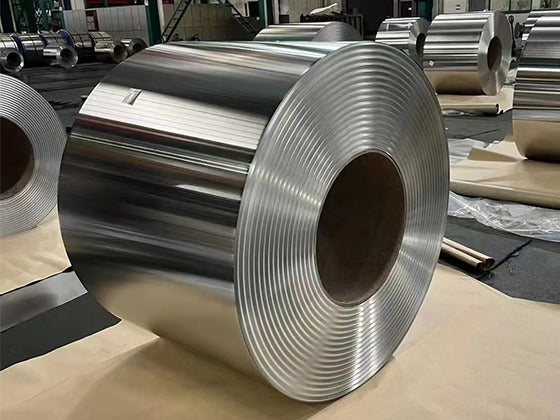
High-quality 316 stainless steel coil with superior corrosion resistance molybdenum alloy custom sizes finishes for marine chemical applications
When choosing a 316 stainless steel coil or its low-carbon counterpart, 316L stainless steel coil, understanding the chemical makeup is crucial. Both alloys conform to ASTM standards (such as ASTM A240), ensuring reliable performance in demanding environments.
Here’s the detailed elemental breakdown for 316 and 316L coils:
| Element | 316 (%) | 316L (%) |
|---|---|---|
| Carbon (C) | Max 0.08 | Max 0.03 |
| Chromium (Cr) | 16.0 – 18.0 | 16.0 – 18.0 |
| Nickel (Ni) | 10.0 – 14.0 | 10.0 – 14.0 |
| Molybdenum (Mo) | 2.0 – 3.0 | 2.0 – 3.0 |
| Manganese (Mn) | Max 2.0 | Max 2.0 |
| Silicon (Si) | Max 1.0 | Max 1.0 |
| Phosphorus (P) | Max 0.045 | Max 0.045 |
| Sulfur (S) | Max 0.03 | Max 0.03 |
The presence of molybdenum is what sets 316 stainless steel coils apart from the more common 304 grades. Molybdenum significantly enhances resistance to pitting and crevice corrosion, especially in chloride-rich environments like marine or chemical settings. This makes marine grade stainless steel coil ideal for applications where corrosion is a major concern.
In , the balance of chromium, nickel, and the molybdenum boost in a 316 stainless steel coil offers superior corrosion resistance while maintaining excellent strength and durability compared to other stainless steel coils. The low-carbon 316L variant adds added weldability by minimizing carbide precipitation without compromising corrosion resistance. This chemical composition combination makes 316 and 316L coils versatile and trusted options for engineers and fabricators worldwide
When choosing a 316 stainless steel coil or 316L stainless steel coil, understanding their mechanical properties is key.
Regarding temperature performance, 316 and 316L stainless steel coil maintain strength and corrosion resistance up to about 870°C (1600°F) intermittently, with continuous use recommended below 925°F (about 495°C).
Here’s a quick comparison table for clarity:
| Property | 316 Stainless Steel Coil | 316L Stainless Steel Coil |
|---|---|---|
| Carbon Content (%) | Up to 0.08 | Max 0.03 |
| Tensile Strength | ~75 ksi (515 MPa) | ~70 ksi (485 MPa) |
| Yield Strength | ~30 ksi (205 MPa) | ~25 ksi (170 MPa) |
| Elongation (%) | 40 | 40 |
| Hardness (HRB) | 70-90 | 70-90 |
| Max Service Temp | ~870°C intermittent | ~870°C intermittent |
Both types excel in applications requiring durability under stress and heat but 316L’s lower carbon limits carbide precipitation, making it better suited for welding-intensive jobs.
For cold-rolled and polished finishes, like the 2B finish commonly available on SS 316 slit coils, these mechanical traits are optimized to meet diverse industrial needs. To explore finished stainless steel plates with a premium look, consider options like the LS-05 Brushed Stainless Steel Plate tailored for superior durability and aesthetics.
Our 316 stainless steel coil complies with major industry standards like ASTM A240, A666, and A480, ensuring consistent quality and reliability. Equivalent grades include UNS S31600/S31603, EN 1.4401/1.4404, and JIS SUS316, offering global compatibility.
| Specification | Details |
|---|---|
| Thickness Range | 0.3 mm to 6.0 mm |
| Width Options | 10 mm to 1500 mm |
| Coil Inner Diameter (ID) | 508 mm (standard), custom available |
| Coil Outer Diameter (OD) | Up to 2000 mm |
| Max Coil Weight | Up to 12,000 kg |
These precise dimensions and finish options make our 316 stainless steel coil ideal for a variety of industries needing durability, corrosion resistance, and aesthetic versatility. For creative textured surfaces, you might be interested in our detailed embossed sheet offerings like the small beads stainless steel embossed sheets which complement coil applications with unique finishes.
316 stainless steel coil is known for its outstanding corrosion resistance, especially in harsh environments involving chlorides and marine exposure. Here’s why it stands out:
| Feature | Benefit |
|---|---|
| Pitting & crevice corrosion | Long-lasting durability in chloride-rich environments |
| Low carbon 316L | Weld quality with less corrosion risk |
| Good formability | Efficient fabrication processes |
| Oxidation resistance | Use in higher temperature applications |
| Non-magnetic annealed state | Ideal for hygienic and food-grade uses |
These advantages make the 316 stainless steel coil a reliable choice for demanding industrial applications where corrosion and fabrication challenges exist. For those seeking premium finishes and precise tolerances, you can also explore options like stainless steel 8K mirror sheets for specific needs.
316 stainless steel coil is widely used across industries thanks to its excellent corrosion resistance and durability. Here’s where it shines:
Real-world examples show 316 stainless steel strip coil reliably performs in demanding settings such as offshore oil rigs and pharmaceutical production lines. Its resilience in chloride-rich and acidic conditions makes it a go-to solution for environments where other materials would corrode quickly.
For a closer look at surface finishes suitable for specific applications, check out our detailed range of sandblasted stainless steel plate matte finishes, which can complement your 316 stainless steel coil projects with tailored aesthetics and cleaning ease.
When choosing between 316 stainless steel coil and 316L stainless steel coil, understanding their differences is key to getting the most out of your application. Here’s a quick comparison to help you decide:
| Property | 316 Stainless Steel Coil | 316L Stainless Steel Coil |
|---|---|---|
| Carbon Content | Approximately 0.08% | Max 0.03% (low carbon) |
| Weldability | Good, but risk of carbide precipitation | Excellent, reduced carbide risk, ideal for welding |
| Corrosion Resistance | Very good, especially in chloride-rich environments | Slightly better due to less carbide precipitation |
| Typical Uses | General chemical plants, marine applications | Medical equipment, welded structures, highly corrosive environments |
The main difference lies in the carbon content: 316L’s lower carbon minimizes carbide precipitation during welding, reducing the risk of intergranular corrosion. This makes 316L the go-to choice when fabrication involves heavy welding or when corrosion resistance post-welding is critical.
For most other applications like marine-grade equipment or chemical processing where welding isn’t extensive, standard 316 stainless steel coil performs excellently and may offer marginally higher strength.
In , if you need better weldability with corrosion resistance, opt for 316L stainless steel coil. Otherwise, 316 stainless steel coil offers robust performance in tough environments at a competitive price.
If you’re looking for related products, check our range of high-quality premium etching plate stainless steel options that complement both coil types.
When deciding between 316 stainless steel coil and 304 stainless steel coil, understanding their key differences helps you pick the best fit for your project.
| Feature | 316 Stainless Steel Coil | 304 Stainless Steel Coil |
|---|---|---|
| Corrosion Resistance | Excellent, especially in chloride and marine environments due to molybdenum content | Good for general use but less resistant to saltwater and chemicals |
| Cost | Higher due to added molybdenum | More affordable |
| Strength | Slightly higher tensile and yield strength | Suitable for most applications |
| Temperature Suitability | Up to 870°C (annealed condition) | Up to 925°C but less stable in harsh chemicals |
| Typical Uses | Marine equipment, chemical tanks, pharmaceutical | Kitchen appliances, architectural, general fabrication |
If your project involves aggressive or corrosive environments, opting for 316 stainless steel coil over 304 ensures safety, longevity, and fewer replacements. For general indoor or low-corrosion applications, 304 is often sufficient and budget-friendly.
For specialty finishes and enhanced aesthetics with great corrosion resistance, you might also find our premium brushed stainless steel plates useful when paired with 316 coils.
At Xinye Steel, quality assurance is at the heart of every 316 stainless steel coil we produce. Our strict production controls ensure every coil meets or exceeds industry standards, from raw material selection through final inspection. We implement rigorous testing protocols, including chemical composition analysis, mechanical property verification, and surface quality checks.
Each shipment comes with comprehensive mill test reports (MTRs) that detail the exact specifications, certifications, and inspection results, providing full traceability and confidence in our products. Our 316 and 316L stainless steel coils fully comply with international standards such as ASTM A240, A666, and A480, ensuring global acceptance.
To guarantee integrity, Xinye Steel also invites third-party inspections and audits, confirming consistent quality and reliability across all batches. This thorough approach means you receive corrosion-resistant, marine-grade stainless steel coils with certified performance, ideal for demanding industries worldwide.
Explore our range of premium stainless products, including stainless steel coils engineered for precision and durability.
At Xinye Steel, we ensure every 316 stainless steel coil is carefully packed to protect it during transport. Standard packaging includes sturdy wooden crates, reinforced steel strapping, and protective covers to guard against moisture and damage. This keeps your SS 316 slit coil safe from scratches, dents, and corrosion while in transit.
We offer flexible shipping options tailored to your needs, whether you require air, sea, or land freight. Our typical lead times are competitive, aiming to meet your project deadlines efficiently. Plus, with our global logistics network, Xinye Steel supports international deliveries with full traceability and timeliness.
From cold rolled 316 stainless coil to the marine grade stainless steel coil varieties, rest assured that packaging and delivery are handled with the utmost care and professionalism. This service ensures you receive premium quality 316 stainless steel coils in pristine condition, ready for your application.
For highly specialized projects, we also provide custom packaging solutions to match your exact requirements, giving you peace of mind from order to arrival.
When it comes to sourcing high-quality 316 stainless steel coil, Xinye Steel stands out for several key reasons:
We use only top-grade alloys, including the precise chemical compositions required for 316 and 316L stainless steel coils, ensuring excellent corrosion resistance and mechanical strength.
Our coils undergo strict cold and hot rolling, precise slitting, and finishing processes—including 2B, BA, and mirror polish—to deliver consistent dimensions and superior surface quality.
Whether you need specific thicknesses, widths, coil weights, or custom finishes, Xinye Steel tailors coil production to your exact project requirements. Our flexibility supports diverse applications, from marine-grade stainless steel coil to high-end architectural uses.
We strictly follow ASTM standards and provide detailed mill test reports (MTRs) with every batch, ensuring traceability and compliance. Our internal quality control meets international certifications, so you get reliable, consistent products.
With efficient logistics and professional packaging, including wooden crates and steel strapping, Xinye Steel guarantees safe shipment worldwide with dependable lead times.
Our experts assist you in selecting the right 316 stainless steel coil variant and finishes, addressing your fabrication and corrosion resistance needs.
| Feature | Benefit |
|---|---|
| Premium raw materials | Long-lasting corrosion resistance |
| Advanced processing | Tight tolerances, surface quality |
| Customization options | Tailored to your project specs |
| Quality assurance | ASTM compliance, MTRs included |
| Reliable delivery | Safe, on-time global shipping |
| Expert technical support | Optimization for fabrication |
Choose Xinye Steel for trusted performance and support in every 316 stainless steel coil order.
For a better understanding of our surface options, explore our high-quality stainless steel mirror sheets to see the finishing possibilities we deliver.
Ready to get your 316 stainless steel coil tailored to your needs? Simply fill out our quick form with your required thickness, width, quantity, finish, and application details. Whether you’re looking for cold rolled 316 stainless coil or a specific coil finish like 2B or mirror, providing these details helps us deliver the best solution fast.
You can also reach us directly by phone or email for personalized support and expert advice. Contacting us means you benefit from our prompt response, competitive pricing, and guidance to select the perfect marine grade stainless steel coil or molybdenum stainless steel coil for your project.
Let’s get started today to supply you with high-quality, corrosion resistant stainless coil that meets your exact specifications. Your inquiry brings you one step closer to reliable, certified 316 stainless steel strip coil tailored for your success.
If you’re considering 316 stainless steel coil for your project, you might also want to check out related products that complement your needs:
For premium etched and textured surfaces, explore our stainless steel etched embossed plate collection and premium etching plates that offer enhanced aesthetics as well as functional benefits.
This way, you can pair your 316 stainless steel coil with the right materials to maximize performance, durability, and design flexibility across marine, chemical, architectural, and food-grade applications.
316 stainless steel coil has a higher carbon content (up to 0.08%) compared to 316L (max 0.03%). This means 316L offers better resistance to carbide precipitation during welding, reducing the risk of corrosion at welds. Both contain molybdenum for excellent corrosion resistance, but 316L is preferred when fabricating parts requiring extensive welding.
Annealed 316 stainless steel coils are generally non-magnetic, making them ideal for applications where magnetic interference must be minimized. However, some magnetic response may occur after cold working or forming.
Common finishes include 2B (smooth, matte), BA (bright annealed), No.1 (hot-rolled, dull), No.4 brushed (fine satin), HL (hairline brushed), mirror polish, and custom polishing options to meet specific aesthetic or functional needs.
Standard coil weights vary based on thickness and width but typically range up to 10,000 kg. Custom sizes and weights can be produced to accommodate different shipping and handling requirements.
316 and 316L coils offer superior pitting and crevice corrosion resistance in chloride-rich environments like seawater, especially due to the presence of molybdenum. They are ideal for marine-grade stainless steel coil applications such as shipbuilding and offshore structures.
Yes, custom slitting of 316 stainless steel strip coil is commonly offered to meet precise width specifications, allowing better integration into manufacturing processes with minimal waste.
For more detailed information on finishes and premium surface options, you might also want to explore brushed stainless steel plate premium finish.