
The Natural Color of Stainless Steel
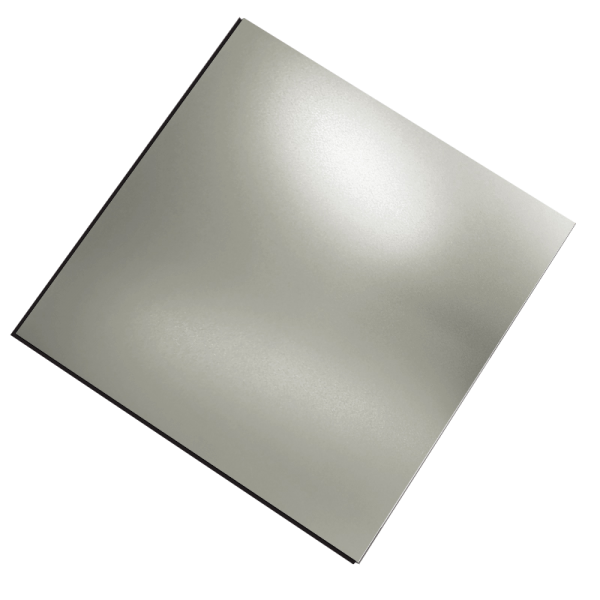
If you are wondering what stainless steel colors really look like, the simple answer is this: most stainless steel starts with a natural silver stainless steel finish that reads as gray, bright, or softly reflective depending on the grade and surface.
What Is Stainless Steel?
Stainless steel is a metal alloy made mainly from iron, with chromium and often nickel, molybdenum, or other elements added. Those extra metals are what give it its strength, corrosion resistance, and signature look.
In plain terms, stainless steel is known for:
- A clean, modern appearance
- Strong corrosion resistance
- A natural metallic sheen
- A wide range of stainless steel color options based on grade and finish
How Chromium Affects Stainless Steel Color
Chromium is the key reason stainless steel looks the way it does. It forms a thin protective layer on the surface that helps stop rust and gives the metal its polished, premium stainless steel look.
Chromium does not make stainless steel brightly colored on its own, but it does affect how light reflects off the surface. That is why stainless steel often looks:
- Silver
- Light gray
- Cool-toned
- Smooth and reflective
More chromium usually supports better corrosion resistance and helps maintain a cleaner, more consistent stainless steel surface over time.
Why Stainless Steel Looks Silver or Gray
Most people picture stainless steel as silver or gray because that is its natural appearance. The color comes from the metal itself, not from paint or coating.
The silver stainless steel finish happens because:
- The surface reflects light in a soft metallic way
- The alloy has a neutral, cool-toned base
- The protective chromium layer changes how the eye sees the metal
Depending on the finish, the same material can look different in different spaces. A polished sheet may look bright and mirror-like, while a brushed stainless steel finish may look more muted and gray.
How Alloy Content Changes Stainless Steel Shades
Not all stainless steel looks exactly the same. The alloy mix can slightly change the stainless steel color and overall appearance.
Here is how different elements can affect the look:
- Nickel can create a warmer, smoother silver tone
- Molybdenum may make the metal look more muted and industrial
- Higher alloy content can shift the gray stainless steel look slightly darker or richer
- Lower alloy variations may look brighter or cooler
That is why one stainless steel panel may appear light silver, while another looks deeper gray or slightly warm.
Surface Imperfections and Small Color Variations
Even when the alloy is the same, the surface can still change how stainless steel color appears. Tiny imperfections, grain direction, and finishing methods all matter.
Common reasons for slight color variation include:
- Brushed grain patterns
- Bead blasted texture
- Polished or mirror finish reflections
- Small surface scratches
- Manufacturing differences between batches
These changes are usually normal and do not mean the material is low quality. In fact, they are part of what makes stainless steel aesthetic options so flexible for stainless steel for interior design, stainless steel for exterior design, and custom stainless steel colors later on.
Key takeaway: natural stainless steel color is usually silver or gray, but alloy content, finish, and surface texture can shift how it looks in real-world lighting.
Can Stainless Steel Be Colored?
Many people wonder if stainless steel can be customized with colors beyond its natural silver or gray appearance. The good news is yes, stainless steel can be colored using various surface treatments and coatings. These methods allow for a wide range of shades, from classic gold and black to vibrant rainbow effects, making stainless steel versatile for different design needs.
Is Stainless Steel Only Silver?
While the natural color of stainless steel is typically silver or gray, it’s not limited to just that. Through advanced surface treatments, stainless steel can be transformed into black, gold, rose gold, blue, bronze, and even iridescent hues. This flexibility helps designers and manufacturers create distinctive looks that suit modern aesthetics.
Common Myths About Stainless Steel Colors
One common myth is that stainless steel can’t be colored or that coatings will easily chip or fade. In reality, modern coloring methods like PVD coating or electrochemical coloring produce durable finishes that resist scratching and corrosion. Another myth is that colored stainless steel isn’t as strong as its natural counterpart — but most coloring processes do not affect the steel’s inherent strength or durability.
Ways to Color Stainless Steel
There are several popular methods to add color to stainless steel surfaces:
Electrochemical Coloring
This process uses electrical currents to create oxide layers that produce different colors, such as blue or gold. It’s often used for decorative accents or jewelry.
Chemical Treatments
Black or bronze finishes are achieved through chemical processes that alter the surface chemistry, providing a rich, deep color that’s also resistant to wear.
PVD Coating
Physical Vapor Deposition (PVD) is a high-tech method that deposits thin metal films onto stainless steel, allowing for vibrant, long-lasting colors like gold, rose gold, and blue. Learn more about PVD coating stainless steel.
Heat Treatment
Heating stainless steel to specific temperatures can produce rainbow or iridescent effects, adding a unique, colorful look that’s often used in architectural applications.
Painted and Powder Coated Finishes
Painting or powder coating offers a wide palette of colors, but these finishes may require more maintenance to prevent chipping or fading over time.
How PVD Creates Gold, Rose Gold, and Blue Stainless Steel
PVD coating is especially popular for achieving high-end colors like gold, rose gold, and blue. This method involves vaporizing metal in a vacuum chamber and depositing it onto the steel surface. The result is a durable, corrosion-resistant finish that maintains its color even under harsh conditions. For more details, check out this guide on PVD coating stainless steel.
Heat-Treated Stainless Steel Color Effects
Heat treatment can produce stunning rainbow or iridescent effects on stainless steel. By carefully controlling the heating process, manufacturers can create a spectrum of colors that change with viewing angles, perfect for decorative features.
Rainbow and Iridescent Stainless Steel
Rainbow or iridescent finishes are achieved through controlled heat or electrochemical processes, giving stainless steel a vibrant, multi-colored appearance. These are often used in modern architecture and art installations.
Painted Stainless Steel Options
Painting offers a broad choice of colors and finishes. However, painted stainless steel needs regular maintenance to prevent scratches and fading, especially outdoors.
Powder Coated Stainless Steel: Pros and Cons
Powder coating provides a tough, durable surface that resists scratches and corrosion. It’s ideal for outdoor use or high-traffic areas. The downside is that it may chip if impacted heavily and offers fewer color options compared to PVD coatings or electrochemical methods.
How Durable Is Colored Stainless Steel?
The durability of colored stainless steel depends on the coloring method. PVD coatings are highly resistant to scratches and fading, making them suitable for outdoor and industrial environments. Chemical and painted finishes may require more care but still offer good longevity if properly maintained.
Best Coloring Methods for Indoor and Outdoor Use
- Indoor: PVD coating, electrochemical coloring, and painted finishes work well indoors due to their resistance to scratches and ease of cleaning.
- Outdoor: PVD coating and powder coating are preferred for outdoor applications because of their excellent resistance to weather, UV rays, and corrosion. For architectural facades, PVD is often the top choice for its durability and vibrant colors.
Looking for high-quality colored stainless steel options? You can explore a variety of finishes and colors at Xinyesteel’s product page.
Stainless Steel Finishes and Color Appearance
The natural stainless steel color is usually seen as silver or gray, but the finish changes how that color looks in real light. I see this all the time in global projects: the same metal can look soft, dark, bright, or almost mirror-like depending on the surface treatment and the lighting around it. That is why stainless steel color options are not just about the alloy itself, but also about the stainless steel finishing options used on top.
How Finish Changes Color
A finish can make stainless steel look warmer, cooler, brighter, or more muted. It can also change how much the surface reflects nearby colors.
- Brushed stainless steel finish gives a matte silver look with visible grain
- Polished stainless steel finish creates a mirror finish stainless steel look with high gloss
- Satin stainless steel finish gives a soft low-gloss gray appearance
- Bead-blasted stainless steel finish creates a textured gray stainless steel surface
Common Finish Types
| Finish | Color Appearance | Best For |
|---|---|---|
| Brushed | Matte silver, clean grain | Kitchens, appliances, interior trim |
| Polished | Bright, reflective, mirror-like | Decorative panels, luxury spaces |
| Satin | Soft gray with light sheen | Modern designs, hardware, fixtures |
| Bead-blasted | Flat gray with texture | Industrial looks, durable surfaces |
Light Vs Dark Looks
A brushed or satin surface usually feels lighter and calmer. A polished surface looks brighter because it reflects more light and nearby objects. If you want a premium stainless steel look, polished or high gloss finishes usually stand out the most. For a more subtle gray stainless steel look, brushed and bead-blasted surfaces are often the better choice.
I often recommend mirror-like finishes when the goal is to make a room feel larger and brighter. A polished surface can also work well in modern interiors, especially when paired with clean lines and simple colors. For a good example of how this works in practice, see this mirror stainless steel design guide.
Best Finish For Modern Designs
If I had to narrow it down, these are the most practical stainless steel finish choices:
- Brushed stainless steel for a balanced, everyday silver stainless steel finish
- Satin stainless steel for a softer, low-reflection look
- Polished stainless steel for a bold, reflective style
- Bead-blasted stainless steel for a more industrial and textured appearance
For modern stainless steel designs, I usually choose brushed or satin when I want something clean and easy to live with. I choose polished when the goal is a stronger visual impact.
Popular Colors of Stainless Steel in Real Projects
Stainless steel is known for its durability and sleek look, but its color options have expanded a lot in recent years. Here are some of the most popular stainless steel colors you’ll see in real-world projects:
Natural Silver Stainless Steel
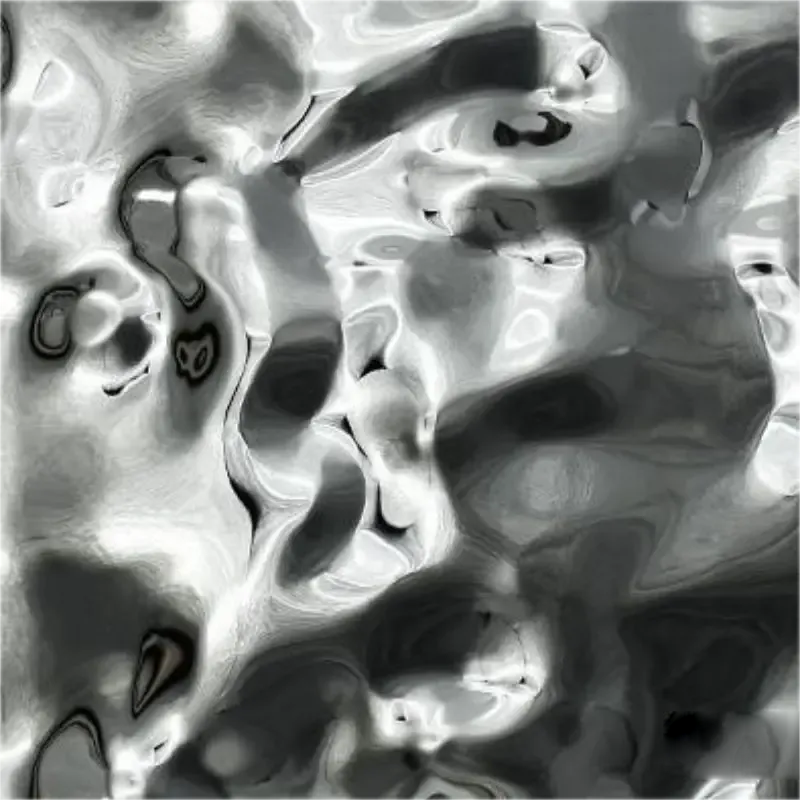
This is the classic, natural color of stainless steel. It’s the most common and versatile, fitting well in modern kitchens, architecture, and industrial designs. Its silver-gray tone provides a clean, timeless look that works with almost any style.
Gray Stainless Steel Tones
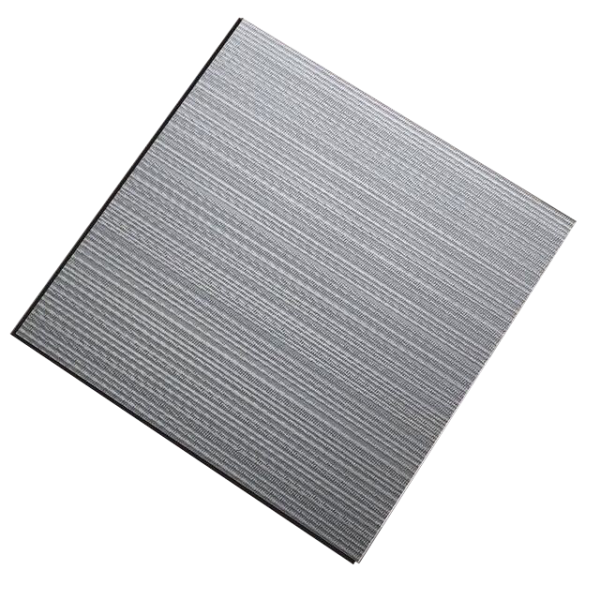
Gray stainless steel shades are slightly darker than the natural silver. They often come from brushed or satin finishes, giving a softer, more muted appearance. These shades are popular in minimalist designs and for creating a subtle, sophisticated vibe.
Black Stainless Steel Color
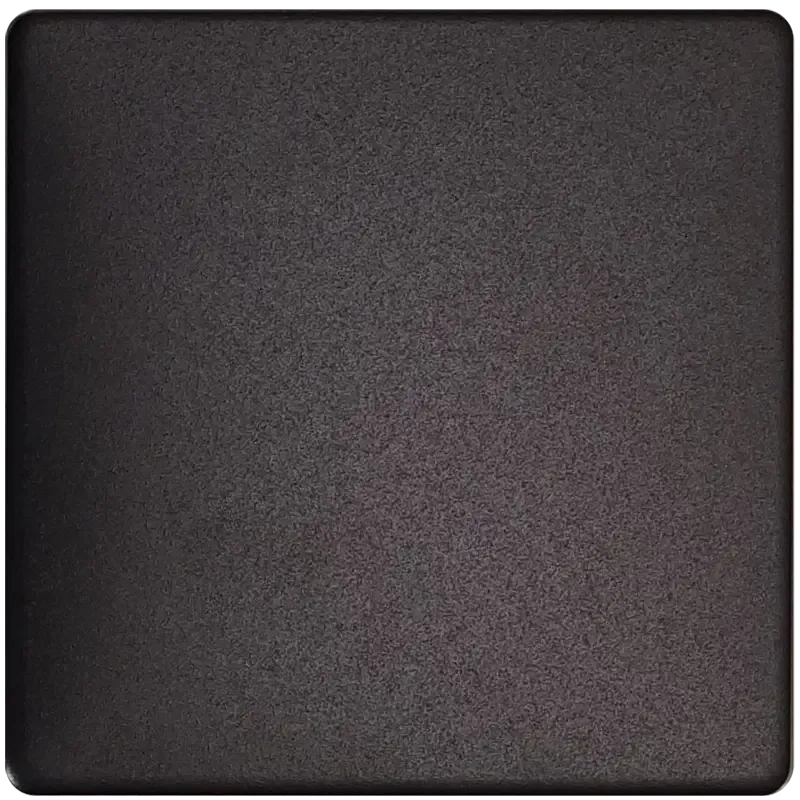
Black stainless steel has become a favorite in contemporary homes and commercial spaces. It offers a sleek, modern look that hides fingerprints and scratches better than lighter finishes. Black stainless steel appliances and fixtures add a bold touch to kitchens and bathrooms.
Gold Stainless Steel Color

Gold stainless steel adds a touch of luxury and elegance. It’s often used in high-end fixtures, faucets, and decorative panels. The gold finish can be achieved through PVD coating or other surface treatments, creating a warm, rich appearance.
Rose Gold Stainless Steel Color
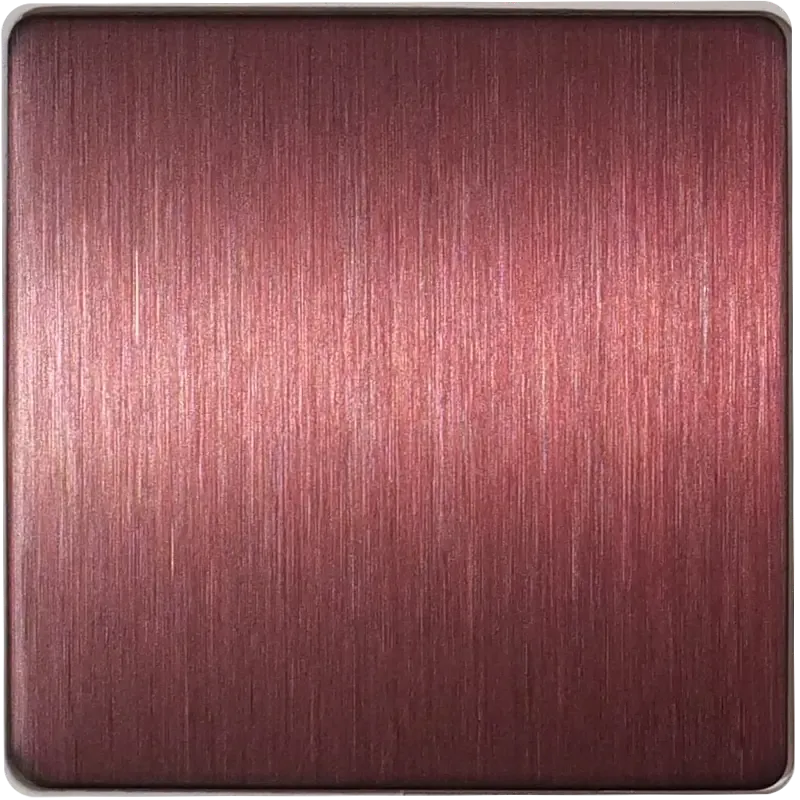
Rose gold is a softer, more romantic hue of stainless steel. It’s great for jewelry, accents, or fixtures that aim for a stylish, trendy look. Rose gold stainless steel is popular in both interior design and fashion accessories.
Blue Stainless Steel Color
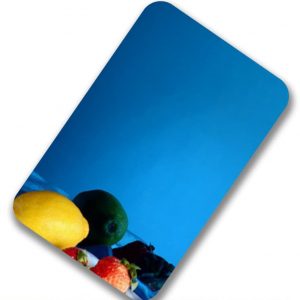
Blue stainless steel is a striking choice for architectural panels, sculptures, or interior accents. It’s usually created through electrochemical coloring or PVD coating, offering a vibrant, iridescent effect that stands out.
Bronze and Copper-Tone Stainless Steel
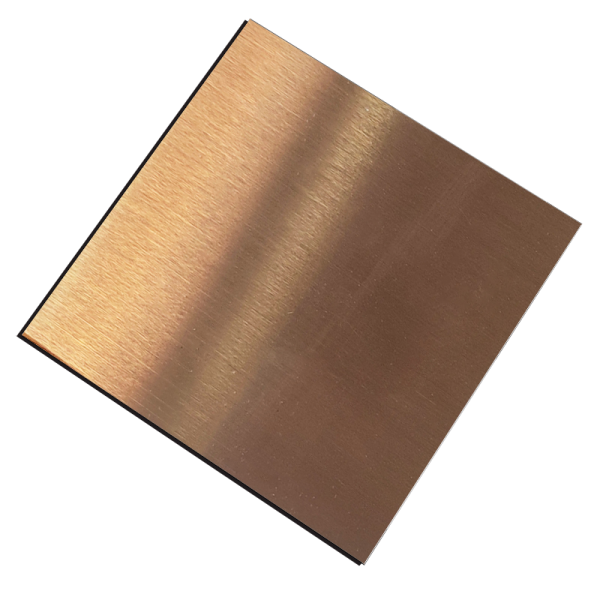
Bronze and copper finishes give stainless steel a warm, earthy feel. They are often used in decorative panels, handrails, and architectural cladding. These tones develop a natural patina over time, adding character to the project.
Rainbow and Multi-Color Stainless Steel
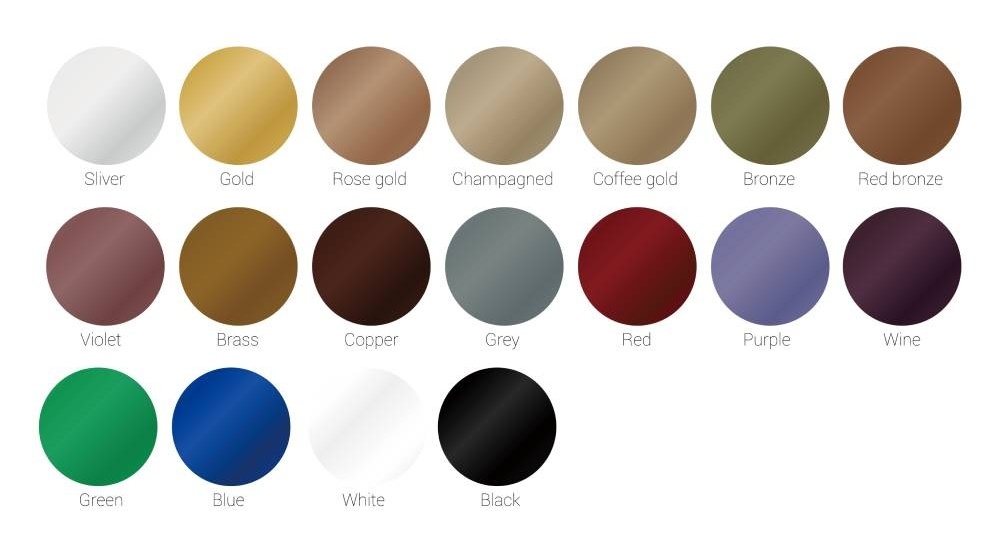
Rainbow and iridescent stainless steel are eye-catching options for modern art, signage, or decorative features. These multi-color finishes are usually achieved through PVD coating or heat treatments, creating a dynamic, colorful effect.
In real projects, choosing the right stainless steel color depends on the overall design aesthetic and the environment. Whether you want a classic look or something bold and colorful, stainless steel offers plenty of options to match your style. For architectural uses, many of these colors are available in specialized finishes like stainless steel facade finishes to enhance durability and visual appeal.
Colored Stainless Steel in Home Design
Stainless steel colors are becoming a popular choice for modern home design, especially in kitchens and bathrooms. They add a sleek, contemporary look while offering durability and easy maintenance. For kitchen design, black stainless steel appliances are a top pick, giving a sophisticated, matte finish that hides fingerprints better than traditional silver. You can also find gold stainless steel faucets and hardware to add a touch of luxury and warmth to your space.
Colored stainless steel backsplashes are another stylish option, providing vibrant or subtle hues that complement various interior styles. For countertops, stainless steel colors like brushed or matte finishes can create a seamless, modern appearance. Bathroom fixtures in colored stainless steel, such as sinks and towel bars, help coordinate the overall look, making the space feel cohesive.
Matching stainless steel colors with interior styles is simple—whether you prefer a minimalist, industrial, or warm contemporary vibe, there are stainless steel finishes and colors to suit your taste. For example, rainbow or iridescent stainless steel can add a unique, eye-catching element to your home. Overall, colored stainless steel offers versatile design options, making it easier to create a personalized and stylish environment.
Stainless Steel Colors in Architecture
Colored stainless steel is increasingly popular in modern architecture, thanks to its sleek look and versatile color options. Architects often use stainless steel facades to give buildings a contemporary, eye-catching appearance. These facades can feature a variety of finishes and colors, from matte and brushed to high gloss, creating different visual effects.
Stainless steel cladding finishes and colors add depth and texture to exterior walls, making buildings stand out while maintaining durability. For example, PVD coated stainless steel can produce vibrant gold, rose gold, or blue shades, perfect for creating a distinctive architectural statement. You can also see custom stainless steel colors used for handrails and railings, blending safety with style in public and private spaces.
Decorative stainless steel panels are another way to incorporate color into architectural design, whether as feature walls or decorative accents. Public art and stainless steel sculptures with color further enhance urban landscapes, adding artistic flair with durable, weather-resistant finishes. Using stainless steel finishes for modern buildings not only elevates aesthetic appeal but also offers long-lasting performance, making it a smart choice for architecture that aims to combine beauty with resilience.
Industrial and Commercial Uses of Colored Stainless Steel
Colored stainless steel is widely used in various industrial and commercial applications, thanks to its durability and aesthetic appeal. In machinery and equipment, different stainless steel colors can help with function-based color coding, making it easier to identify parts or processes quickly. For example, blue or black stainless steel is often used in high-temperature or industrial environments where corrosion resistance is crucial.
Branding is another key area where custom stainless steel colors come into play. Companies often choose specific finishes or colors to enhance their brand identity, whether through gold or bronze tones for a premium look or unique iridescent effects for a modern edge.
In the food service and hospitality sectors, colored stainless steel adds a stylish touch to appliances, fixtures, and surfaces. It’s common to see black or gold stainless steel used in kitchens, bars, and restaurants to create a sleek, contemporary vibe. Retail and display designs also benefit from colored stainless steel, as it can highlight products or create eye-catching signage and fixtures.
Overall, the versatility of colored stainless steel makes it a popular choice for many industrial and commercial projects, combining functionality with design flexibility. For specific surface treatments and finishes, you might want to explore options like water ripple stainless steel to add unique visual effects.
Stainless Steel Colors in Automotive and Jewelry
I see colored stainless steel used a lot in both cars and accessories because it looks premium, holds up well, and fits modern design trends across global markets. The finish and color can change the whole feel, from clean silver to bold black, gold, or blue.
Automotive color details
In automotive design, stainless steel color options are often used for small details that still stand out.
- Car trims and accents: Silver stainless steel finish, black stainless steel, and brushed stainless steel finish are popular for window surrounds, badges, and interior trim.
- Heat-treated parts: Exhaust tips and performance parts often show heat treated stainless steel colors, including blue, bronze stainless steel finish, purple, and rainbow stainless steel effect.
- Why it works: These stainless steel surface treatments give a strong look while keeping good corrosion resistance for daily driving.
For a quick overview of visual options, I often reference 11 types of stainless steel finishes because the finish has a big effect on the final color tone.
| Automotive use | Common color look | Main benefit |
|---|---|---|
| Trim and badges | Silver, gray stainless steel look | Clean, modern style |
| Exhaust parts | Blue, bronze, rainbow | High-impact visual effect |
| Interior accents | Black, satin stainless steel look | Premium, understated finish |
Watches and jewelry
Colored stainless steel is also strong in fashion because it gives a premium stainless steel look without the high care level of many softer metals.
- Watches: Black stainless steel, gold stainless steel design, and rose gold stainless steel are common for cases, bezels, and bands.
- Jewelry: I often see people choose stainless steel jewelry colors because they want a polished look that feels modern and practical.
- Why people like it: It is durable, stylish, and works well for daily wear, especially when the piece needs to resist scratches and keep its color longer.
If a client wants a more refined surface, brushed colored stainless steel sheets are a strong option for custom accessories and decorative parts.
Why it stays popular
I think stainless steel keeps showing up in automotive and jewelry design for a few simple reasons:
- It offers many stainless steel color options, from natural stainless steel color to darker custom stainless steel colors.
- It pairs well with modern stainless steel finishes like brushed, satin, and mirror finish stainless steel.
- It gives designers a flexible way to match both industrial stainless steel applications and fashion-focused designs.
- It supports a premium stainless steel look without losing the practical benefits people want for everyday use.
For global buyers, that balance matters: style, durability, and easy maintenance all in one material.
Pros and Cons of Colored Stainless Steel
Colored stainless steel offers a lot of benefits but also comes with some drawbacks. Here’s a quick rundown to help you decide if it’s right for your project.
Benefits of Colored Stainless Steel
- Modern design flexibility: You can get a variety of vibrant finishes like gold, rose gold, or blue, making it perfect for contemporary looks.
- Custom branding: Different colors help create unique branding opportunities, especially for retail or corporate spaces. For example, colored stainless steel can be customized to match your brand colors.
Drawbacks of Colored Stainless Steel
| Issue | Details |
|---|---|
| Scratch resistance | Coatings can scratch or chip over time, especially in high-traffic areas. |
| Fading or discoloration | Some finishes may fade or discolor when exposed to UV rays or harsh weather. |
| Cost | Colored finishes tend to be more expensive than natural stainless steel due to special coatings or treatments. |
When to Choose Natural vs. Colored Stainless Steel
- Natural stainless steel is ideal for durability and a sleek, classic look.
- Colored stainless steel works best when you want a bold, modern appearance or to match specific branding or interior design themes.
How to Pick the Right Stainless Steel Color
- Consider the environment: Outdoor projects might need more durable, weather-resistant finishes like PVD or powder coating.
- Match your style: For a subtle look, go with brushed or satin finishes. For eye-catching designs, consider rainbow or iridescent effects.
- Budget: Colored finishes can add cost, so weigh the benefits against your project budget.
Choosing the right stainless steel color depends on your design goals, durability needs, and budget. It’s worth exploring different options to find the perfect fit for your space.
How to Care for Colored Stainless Steel
Colored stainless steel looks great, but it stays that way only with the right care. I keep the cleaning simple, use the right products, and match the care routine to the finish. That matters for colored stainless steel, PVD coating stainless steel, powder coated stainless steel, and painted stainless steel surfaces.
Basic Cleaning Tips
For daily care, I use a soft microfiber cloth, warm water, and a mild soap. This works well for most stainless steel color options.
- Wipe in the direction of the grain when possible
- Rinse with clean water after washing
- Dry the surface right away to avoid spots
- Clean often so dirt does not build up
For different stainless steel surface treatments, I follow the finish type first. A brushed stainless steel finish needs gentle wiping, while a mirror finish stainless steel surface needs extra care to avoid marks. If you want a deeper breakdown of finish types, I recommend this stainless steel surface treatment methods guide.
Best Cleaners
The best cleaners for stainless steel colors are usually mild and non-abrasive. I avoid harsh products unless the maker says they are safe.
Good choices include:
- pH-neutral cleaners
- Mild dish soap and water
- Stainless steel cleaning sprays made for colored stainless steel
- Soft cloths or non-scratch sponges
For premium surfaces like gold stainless steel design pieces or rose gold stainless steel accents, I stay away from anything that can dull the finish. The goal is to keep the premium stainless steel look without wearing down the coating.
What to Avoid
Some cleaners can damage stainless steel color durability fast.
Avoid:
- Bleach
- Ammonia-based cleaners
- Steel wool
- Abrasive powders
- Hard scrub pads
- Strong acids or solvents
These can hurt the silver stainless steel finish, the gray stainless steel look, or special coatings like black stainless steel appliances. They can also leave streaks, clouding, or stains on stainless steel aesthetic options.
Caring for PVD Coated Stainless Steel
PVD coating stainless steel is popular because it gives strong color with good wear resistance. Still, I treat it gently.
- Use soft cloths only
- Clean spills early
- Do not scrape with sharp tools
- Keep abrasive cleaners away
PVD finishes often hold up well in indoor and outdoor use, but careful cleaning helps keep the stainless steel color options looking sharp. This is especially true for blue stainless steel panels, bronze stainless steel finish products, and gold stainless steel fixtures.
Painted and Powder Coated Surfaces
Painted stainless steel surfaces and powder coated stainless steel need a softer touch than bare metal. I avoid soaking them for too long and never use strong polishing compounds.
Best practices:
- Wipe with mild soap and water
- Dry fully after cleaning
- Check edges and corners for chips
- Touch up damage early if needed
This helps protect custom stainless steel colors used in stainless steel for interior design and stainless steel for exterior design.
Preventing Scratches
Scratch resistant stainless steel coating still needs care. I try to stop scratches before they start.
- Use coasters, pads, and soft buffers
- Do not drag metal objects across the surface
- Clean grit and dust off first
- Store sharp items away from exposed finishes
This is important for decorative stainless steel panels, stainless steel cladding finishes, and black stainless steel kitchen pieces that are touched often.
Keeping Finishes Looking New
To keep finishes looking new, I stick to a simple routine.
- Clean regularly
- Dry after each wash
- Handle with clean hands
- Inspect for wear in busy areas
If I need to restore shine, I use the lightest method first. For reflective surfaces, a careful polish can help. I also refer to this how to polish stainless steel to a mirror finish when working with high gloss and mirror finish stainless steel.
Indoor vs Outdoor Care
Indoor colored stainless steel usually needs less maintenance. Outdoor stainless steel colors face rain, dust, sun, and pollution, so I clean them more often.
- Indoor: wipe weekly or as needed
- Outdoor: rinse and clean more often
- Coastal areas: remove salt buildup quickly
- High-touch areas: check for fingerprints and smudges
For global customers, I usually suggest a simple care plan based on climate, traffic, and finish type. That keeps corrosion resistant colored stainless steel looking good for longer and helps protect the right stainless steel design ideas for each project.
Stainless Steel Color FAQs
1. Can stainless steel change color over time?
Yes, stainless steel can develop color changes over time due to exposure to heat, moisture, or chemicals. For example, heat-treated stainless steel may show rainbow or iridescent effects, while prolonged exposure to certain elements can cause oxidation or discoloration. Proper surface treatments and finishes can help minimize these changes and keep the desired color longer.
2. Why does my stainless steel look yellow or brown?
Yellow or brown hues on stainless steel often result from oxidation or heat exposure. When stainless steel is subjected to high temperatures, it can form a thin oxide layer that causes these color shifts, especially in areas like cookware or decorative panels. Using protective coatings or choosing specific finishes can prevent or reduce these discolorations.
3. Is colored stainless steel as durable as silver stainless steel?
Generally, yes. Many coloring methods, such as PVD coating or electrochemical coloring, produce finishes that are highly resistant to scratches, corrosion, and fading. However, some surface treatments might be less durable over time if exposed to harsh conditions without proper maintenance. For outdoor or high-use applications, selecting high-quality, durable finishes is key.
4. What are the most popular stainless steel colors for homes?
In residential settings, natural silver stainless steel remains the most common. However, black stainless steel appliances, gold fixtures, and rose gold accents are gaining popularity for their modern and stylish look. Blue and bronze tones are also used for decorative elements, adding a unique touch to kitchens and bathrooms.
5. How much does it cost to color stainless steel?
The cost varies depending on the coloring method. Techniques like PVD coating or electrochemical coloring tend to be more expensive but offer superior durability and color options. Powder coating and painted finishes are usually more budget-friendly but may require maintenance over time. For specific pricing, it’s best to consult suppliers or manufacturers offering high-quality colored stainless steel products.
6. Can I recolor stainless steel once it is finished?
Recoloring is possible but depends on the current surface treatment. Coatings like powder or paint can often be reapplied, while PVD or electrochemical finishes are more permanent. If you want to change the color later, consulting with a professional about suitable options is recommended to ensure the durability and appearance are maintained.
7. Where to buy high-quality colored stainless steel products?
Look for reputable suppliers that offer a wide range of stainless steel finishes, including PVD, electrochemical, and powder-coated options. Many industrial and architectural steel providers, such as those specializing in stainless steel coils or embossed sheets, supply high-quality products suitable for various applications. For a reliable source, check out stainless steel coils that meet your project needs.